Pork Cured With A Solution Of Water
What is Pork Cured With A Solution Of Water?
Pork cured with a solution of water is pork meat that has been preserved and flavored using a curing process. This process typically involves salt, water, and sometimes other ingredients like sugar or nitrites, which are absorbed into the meat.
Is Pork Cured With A Solution Of Water vegan?
No. Pork Cured With A Solution Of Water is animal-derived, so it is not vegan.
Is Pork Cured With A Solution Of Water a major allergen?
Not a major allergen.
What is Pork Cured With A Solution Of Water used for?
Cured pork is used to add flavor and texture to various dishes and is a common ingredient in processed meats like ham, bacon, and sausages.
Is Pork Cured With A Solution Of Water safe?
Cured pork is a processed meat.
Why it's used
Cured pork is used to add flavor and texture to various dishes and is a common ingredient in processed meats like ham, bacon, and sausages. It is frequently found in frozen dinners, prepared sides, and deli products. The curing process also helps to extend the shelf life of the meat.
Health notes
Cured pork is a processed meat. The International Agency for Research on Cancer (IARC) has classified processed meat as carcinogenic to humans (Group 1). This classification is based on sufficient evidence that consumption of processed meat causes colorectal cancer. Cured pork products are also typically high in sodium; the FDA Daily Value for sodium is 2,300 mg. The Dietary Guidelines for Americans (2025-2030) advise limiting intake of foods high in sodium and saturated fat.
Allergen info
Not a major allergen.
Foods that contain Pork Cured With A Solution Of Water
Compare products →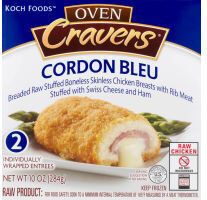 Koch Foods Of Mississippi
Cordon Bleu
High in sodium — 32% DV per serving
High in cholesterol — 25% DV per serving
162kcal
17.6Protein
4.9Fat
12.0Carbs
Koch Foods Of Mississippi
Cordon Bleu
High in sodium — 32% DV per serving
High in cholesterol — 25% DV per serving
162kcal
17.6Protein
4.9Fat
12.0Carbs
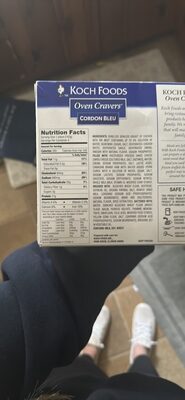 Koch Foods Of Mississippi
Koch Foods Oven Cravers Cordon Bleu Family Pack, 4 Count, 20 Oz
High in sodium — 32% DV per serving
High in cholesterol — 25% DV per serving
162kcal
17.6Protein
4.9Fat
12.0Carbs
Topco Associates, Inc.
Raw Stuffed Chicken Breast
High in sodium — 28% DV per serving
High in cholesterol — 20% DV per serving
162kcal
15.5Protein
4.2Fat
14.8Carbs
Koch Foods Of Mississippi
Koch Foods Oven Cravers Cordon Bleu Family Pack, 4 Count, 20 Oz
High in sodium — 32% DV per serving
High in cholesterol — 25% DV per serving
162kcal
17.6Protein
4.9Fat
12.0Carbs
Topco Associates, Inc.
Raw Stuffed Chicken Breast
High in sodium — 28% DV per serving
High in cholesterol — 20% DV per serving
162kcal
15.5Protein
4.2Fat
14.8Carbs
Learn more
Auto-generated content. This description was generated automatically and is pending editorial review. Inaccuracies are possible. Found a mistake? Contact us.