Potassium And Sodium Caseinate
Auto-generated content. This description was generated automatically and is pending editorial review. Inaccuracies are possible. Found a mistake? Contact us.
What it is
Potassium and sodium caseinate are proteins derived from milk. They are made by separating casein, the main protein in milk, from whey and then treating it with potassium hydroxide or sodium hydroxide. This process makes the casein soluble and easier to use in food products.
Why it's used
These ingredients are used as emulsifiers, stabilizers, and texturizers in a variety of foods. They help blend ingredients that don't normally mix, like oil and water, and improve the texture and mouthfeel of products. They are often found in baked goods, coffee creamers, and processed meats.
Health notes
Potassium and sodium caseinate are generally recognized as safe (GRAS) by the FDA for use in food. They are a source of protein and calcium. International bodies like JECFA have evaluated caseinates. While generally considered safe, some individuals may experience digestive upset, though this is uncommon at typical consumption levels.
Allergen info
Potassium and sodium caseinate are derived from milk, which is one of the FDA's nine major allergens. They do not contain gluten.
Products containing Potassium And Sodium Caseinate
Compare products →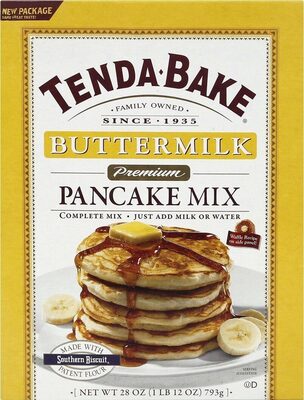 Renwood Mills, LLC
Buttermilk Premium Pancake Mix, Buttermilk
High in sodium — 23% DV per serving
High in saturated fat — 20% DV per serving
429kcal
7.1Protein
14.3Fat
61.9Carbs
Renwood Mills, LLC
Maple Burst Premium Pancake Mix, Maple Burst
405kcal
7.1Protein
14.3Fat
66.7Carbs
Renwood Mills, LLC
Buttermilk Premium Pancake Mix, Buttermilk
High in sodium — 23% DV per serving
High in saturated fat — 20% DV per serving
429kcal
7.1Protein
14.3Fat
61.9Carbs
Renwood Mills, LLC
Buttermilk Premium Pancake Mix, Buttermilk
High in sodium — 23% DV per serving
High in saturated fat — 20% DV per serving
429kcal
7.1Protein
14.3Fat
61.9Carbs
Renwood Mills, LLC
Maple Burst Premium Pancake Mix, Maple Burst
405kcal
7.1Protein
14.3Fat
66.7Carbs
Renwood Mills, LLC
Buttermilk Premium Pancake Mix, Buttermilk
High in sodium — 23% DV per serving
High in saturated fat — 20% DV per serving
429kcal
7.1Protein
14.3Fat
61.9Carbs
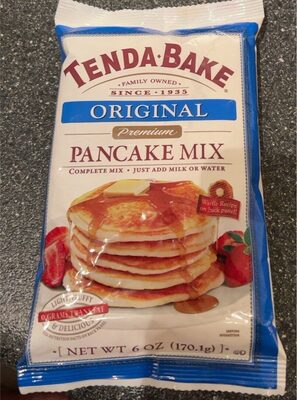 Renwood Mills, LLC
Original Premium Pancake Mix, Original
High in sodium — 23% DV per serving
405kcal
7.1Protein
11.9Fat
64.3Carbs
Homegrown Family Foods LLC
Sweet Yellow Cornbread Mix
400kcal
10Protein
8.3Fat
66.7Carbs
Renwood Mills, LLC
Original Premium Pancake Mix, Original
High in sodium — 23% DV per serving
405kcal
7.1Protein
11.9Fat
64.3Carbs
Homegrown Family Foods LLC
Sweet Yellow Cornbread Mix
400kcal
10Protein
8.3Fat
66.7Carbs