Potassium Sorbate E-202
What is Potassium Sorbate E-202?
Potassium sorbate is the potassium salt of sorbic acid. It is a naturally occurring organic compound that can be found in the berries of the mountain ash tree. Industrially, it is produced synthetically.
Is Potassium Sorbate E-202 vegan?
Potassium Sorbate E-202 is not animal-derived. Products that contain it can still include other animal-derived ingredients, so check the full ingredient list.
Is Potassium Sorbate E-202 gluten-free?
It does not contain gluten.
Is Potassium Sorbate E-202 a major allergen?
Potassium sorbate is not derived from any of the nine FDA major allergens.
What is Potassium Sorbate E-202 used for?
Potassium sorbate is used as a food preservative to inhibit the growth of mold, yeast, and fungi.
Is Potassium Sorbate E-202 safe?
Potassium sorbate is generally recognized as safe (GRAS) by the FDA for use as a food additive.
Why it's used
Potassium sorbate is used as a food preservative to inhibit the growth of mold, yeast, and fungi. It is effective in acidic foods and is commonly found in products like cheese, wine, yogurt, dried meats, and baked goods.
Health notes
Potassium sorbate is generally recognized as safe (GRAS) by the FDA for use as a food additive. International bodies like JECFA and EFSA have evaluated potassium sorbate and established acceptable daily intakes. While generally considered safe, some individuals may experience mild allergic reactions or sensitivities, though this is rare.
Allergen info
Potassium sorbate is not derived from any of the nine FDA major allergens. It does not contain gluten.
Foods that contain Potassium Sorbate E-202
Compare products →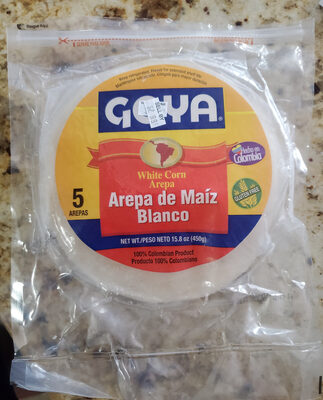
Learn more
Auto-generated content. This description was generated automatically and is pending editorial review. Inaccuracies are possible. Found a mistake? Contact us.