Potato Skin
Auto-generated content. This description was generated automatically and is pending editorial review. Inaccuracies are possible. Found a mistake? Contact us.
What it is
Potato skin is the outer layer of a potato. It is typically removed from the potato flesh before processing or cooking, but is sometimes left on for texture and flavor. It is a source of fiber and nutrients.
Why it's used
Potato skin is often used as an ingredient in potato-based products, particularly appetizers like loaded potato skins. It can also be found in frozen potato dishes and other convenience foods where a more rustic texture is desired.
Health notes
Potato skin is generally recognized as safe (GRAS) by the FDA when used as a food ingredient. It is a source of dietary fiber, which can contribute to digestive health. Regulatory bodies like JECFA and EFSA have evaluated many food ingredients, but specific evaluations for potato skin as a standalone ingredient are not widely published.
Allergen info
Potato skin is not a major allergen. It is not derived from milk, egg, fish, shellfish, tree nuts, peanuts, wheat, soy, or sesame. It does not contain gluten.
Products containing Potato Skin
Compare products →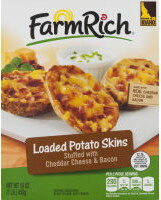 Rich Products Corporation
Loaded Potato Skins Hand Stuffed With Cheddar Cheese & Bacon, Loaded Potato Skins
297kcal
12.1Protein
15.4Fat
28.6Carbs
Rich Products Corporation
Loaded Potato Skins Hand Stuffed With Cheddar Cheese & Bacon, Loaded Potato Skins
297kcal
12.1Protein
15.4Fat
28.6Carbs