Powdered Coconut Oil
What is Powdered Coconut Oil?
Powdered coconut oil is coconut oil that has been processed into a dry, powdery form. It is typically made by spray-drying liquid coconut oil, often with a carrier ingredient like tapioca maltodextrin, to create a stable powder. This allows for easier incorporation into dry food products.
Is Powdered Coconut Oil vegan?
Powdered Coconut Oil is not animal-derived. Products that contain it can still include other animal-derived ingredients, so check the full ingredient list.
Is Powdered Coconut Oil a major allergen?
Coconut is recognized by the FDA as a tree nut for labeling purposes, making it a major allergen.
What is Powdered Coconut Oil used for?
Manufacturers use powdered coconut oil to add the flavor and fat content of coconut oil to dry mixes and other foods.
Is Powdered Coconut Oil safe?
Coconut oil is generally recognized as safe (GRAS) by the U.S. Food and Drug Administration (FDA).
Why it's used
Manufacturers use powdered coconut oil to add the flavor and fat content of coconut oil to dry mixes and other foods. It provides a source of fat and can improve texture. It is often found in baked goods, nutritional supplements, and powdered beverages, as well as in frozen appetizers.
Health notes
Coconut oil is generally recognized as safe (GRAS) by the U.S. Food and Drug Administration (FDA). Coconut oil is high in saturated fat. The 2025-2030 Dietary Guidelines for Americans advise limiting saturated fat intake to less than 10% of daily calories. JECFA and EFSA have not set specific ADIs for coconut oil itself, as it is considered a food rather than a food additive.
Allergen info
Coconut is recognized by the FDA as a tree nut for labeling purposes, making it a major allergen.
Foods that contain Powdered Coconut Oil
Compare products →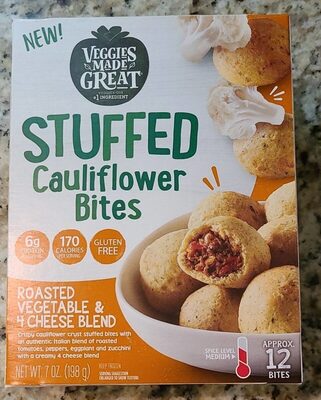


Learn more
Auto-generated content. This description was generated automatically and is pending editorial review. Inaccuracies are possible. Found a mistake? Contact us.