Prebiotic Soluble Fiber From Tapioca
Auto-generated content. This description was generated automatically and is pending editorial review. Inaccuracies are possible. Found a mistake? Contact us.
What it is
Prebiotic soluble fiber from tapioca is a type of dietary fiber derived from the starch of the cassava plant, also known as the yuca plant. It is produced by modifying tapioca starch through processes like enzymatic hydrolysis and fermentation to create a soluble fiber that resists digestion in the small intestine. This fiber then acts as a food source for beneficial bacteria in the large intestine.
Why it's used
Manufacturers add prebiotic soluble fiber from tapioca to foods as a source of dietary fiber and for its prebiotic properties, which can support gut health. It is often used in confectionery, baked goods, and dairy products to improve texture and add nutritional value without significantly altering taste or sweetness.
Health notes
In the U.S., prebiotic soluble fiber from tapioca is generally recognized as safe (GRAS) by the FDA when used for its intended purpose. Soluble fibers can contribute to digestive health and may help regulate blood sugar levels. International bodies like JECFA and EFSA have evaluated various types of soluble fibers, often setting acceptable daily intakes or noting no safety concerns at typical consumption levels. Evidence suggests that consuming adequate dietary fiber is beneficial for overall health.
Allergen info
Tapioca is not derived from any of the nine FDA major allergens. It is also gluten-free.
Products containing Prebiotic Soluble Fiber From Tapioca
Compare products →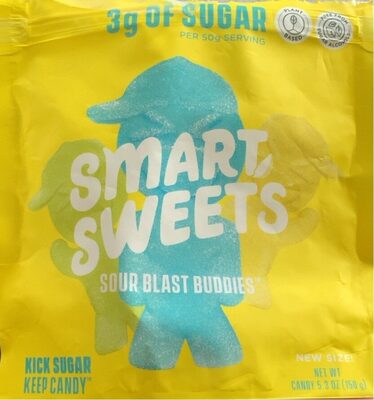 Garden Botanika
Sour Blast Buddies
160kcal
0Protein
0Fat
72Carbs
Garden Botanika
Sour Blast Buddies
160kcal
0Protein
0Fat
72Carbs
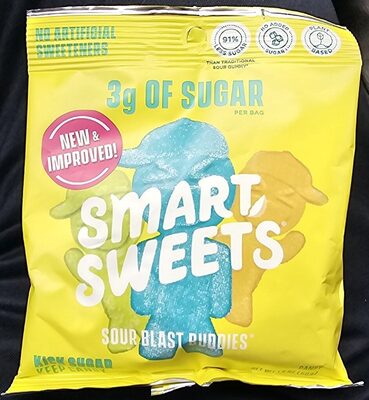 Garden Botanika
Berry Blue Raspberry Lime Lemon Orange Sour Blast Buddies Candy, Berry Blue Raspberry Lime Lemon Orange Sour Blast Buddies
160kcal
0Protein
0Fat
72Carbs
Garden Botanika
Berry Blue Raspberry Lime Lemon Orange Sour Blast Buddies Candy, Berry Blue Raspberry Lime Lemon Orange Sour Blast Buddies
160kcal
0Protein
0Fat
72Carbs
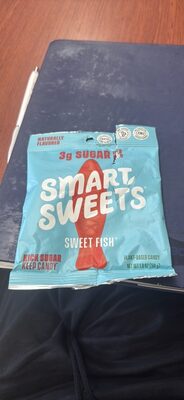 Garden Botanika
Berry Sweet Fish Candy, Berry
160kcal
0Protein
0Fat
70Carbs
Garden Botanika
Berry Sweet Fish Candy, Berry
160kcal
0Protein
0Fat
70Carbs
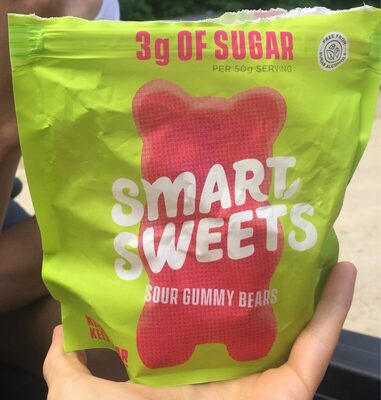 Garden Botanika
Raspberry Apple Lemon Peach Sour Gummy Bears Candy, Raspberry Apple Lemon Peach Sour
180kcal
6Protein
0Fat
70Carbs
Garden Botanika
Raspberry Apple Lemon Peach Sour Gummy Bears Candy, Raspberry Apple Lemon Peach Sour
180kcal
6Protein
0Fat
70Carbs
 Garden Botanika
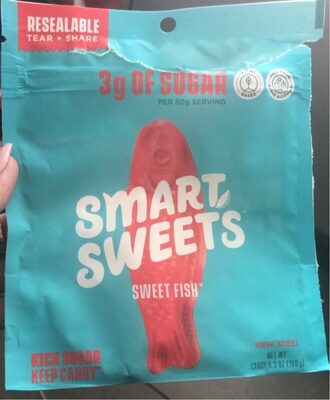
Sweet Fish Candy, Sweet Fish
160kcal
0Protein
0Fat
70Carbs
Garden Botanika
Fruity Gummy Bears
180kcal
6Protein
0Fat
66Carbs
Garden Botanika
Sweet Fish Candy, Sweet Fish
160kcal
0Protein
0Fat
70Carbs
Garden Botanika
Fruity Gummy Bears
180kcal
6Protein
0Fat
66Carbs
 Garden Botanika
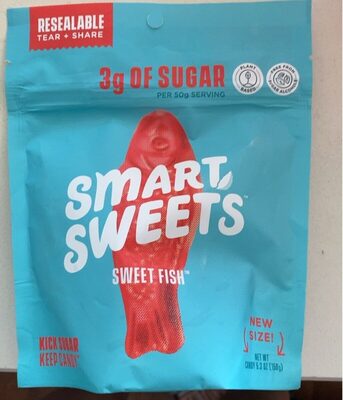
Sweet Fish Candy, Sweet Fish
160kcal
0Protein
0Fat
70Carbs
Candy, Sour
180kcal
6Protein
0Fat
70Carbs
Garden Botanika
Sweet Fish Candy, Sweet Fish
160kcal
0Protein
0Fat
70Carbs
Candy, Sour
180kcal
6Protein
0Fat
70Carbs