Premium Protein Blend
Auto-generated content. This description was generated automatically and is pending editorial review. Inaccuracies are possible. Found a mistake? Contact us.
What it is
A 'premium protein blend' is a marketing term for a mix of protein sources, often including whey, casein, soy, pea, rice, or egg proteins. These proteins are typically isolated from their original sources through processes like filtration or chemical extraction, then dried into a powder. The specific combination aims to provide a complete amino acid profile and a desirable texture.
Why it's used
Manufacturers use protein blends to boost the protein content of foods, making them more filling and appealing to health-conscious consumers. They are commonly found in protein bars, shakes, powders, and baked goods. The blend can also contribute to the texture and mouthfeel of the final product.
Health notes
Protein blends are generally recognized as safe (GRAS) by the FDA when used as intended. The primary function is to provide protein, an essential nutrient. JECFA and EFSA have evaluated various individual protein sources used in these blends. Evidence generally supports protein's role in muscle building and satiety when consumed as part of a balanced diet. No significant controversies exist regarding the use of protein blends at typical dietary levels.
Allergen info
Depending on the specific ingredients, protein blends can contain major allergens such as milk (whey, casein), soy, egg, or wheat. It is not a major allergen on its own, but its components may be. Gluten content depends on the specific protein sources used.
Products containing Premium Protein Blend
Compare products →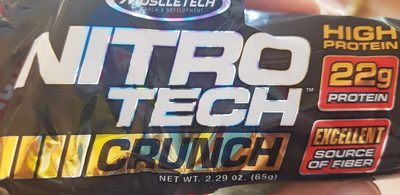 Iovate Health Sciences International Inc.
Protein Energy Bar, Cinnamon Bun
High in saturated fat — 20% DV per serving
369kcal
33.9Protein
10.8Fat
36.9Carbs
Iovate Health Sciences International Inc.
Protein Energy Bar, Birthday Cake
High in saturated fat — 20% DV per serving
369kcal
33.9Protein
10.8Fat
36.9Carbs
Iovate Health Sciences International Inc.
Protein Energy Bar, Cinnamon Bun
High in saturated fat — 20% DV per serving
369kcal
33.9Protein
10.8Fat
36.9Carbs
Iovate Health Sciences International Inc.
Protein Energy Bar, Birthday Cake
High in saturated fat — 20% DV per serving
369kcal
33.9Protein
10.8Fat
36.9Carbs