Prepared Red Beans
What is Prepared Red Beans?
Prepared red beans are cooked red kidney beans, often canned for convenience. They are typically sourced from agricultural producers and processed by food manufacturers. The preparation usually involves washing, cooking, and sometimes adding salt or other seasonings before packaging.
Is Prepared Red Beans vegan?
Prepared Red Beans is not animal-derived. Products that contain it can still include other animal-derived ingredients, so check the full ingredient list.
Is Prepared Red Beans gluten-free?
They do not contain gluten.
Is Prepared Red Beans a major allergen?
Red beans are not one of the 9 FDA major allergens.
What is Prepared Red Beans used for?
Manufacturers use prepared red beans as a convenient and versatile ingredient.
Is Prepared Red Beans safe?
Red beans are a natural food and do not require FDA approval as a food additive.
Why it's used
Manufacturers use prepared red beans as a convenient and versatile ingredient. They provide a source of plant-based protein and fiber. They are commonly found in canned soups, chili, stews, and other prepared meals.
Health notes
Red beans are a natural food and do not require FDA approval as a food additive. They are a good source of fiber, protein, and various micronutrients. JECFA and EFSA have evaluated beans as part of the general diet. Evidence suggests that diets rich in legumes are associated with positive health outcomes.
Allergen info
Red beans are not one of the 9 FDA major allergens. They do not contain gluten.
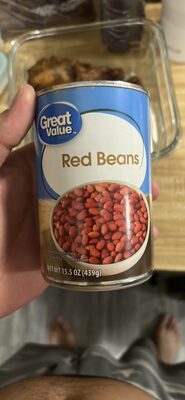
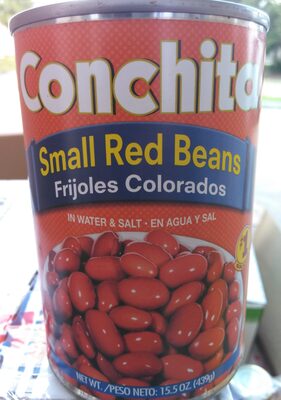
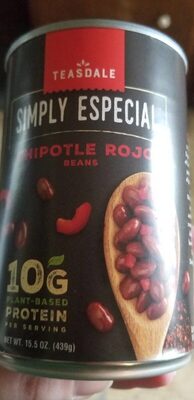
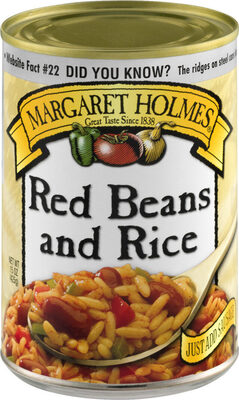
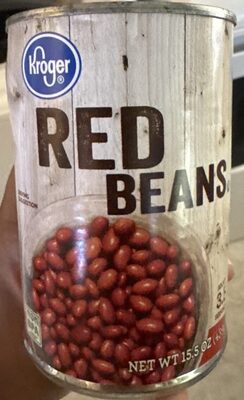
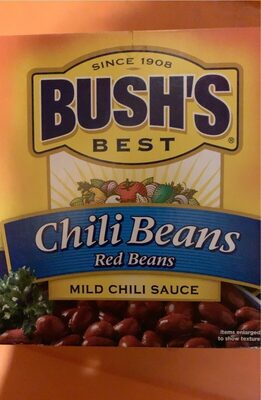
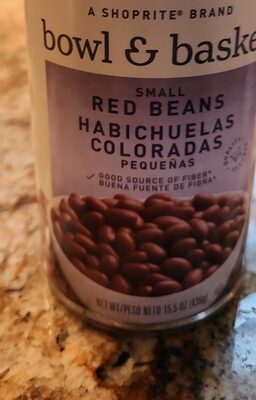
Foods that contain Prepared Red Beans
Compare products →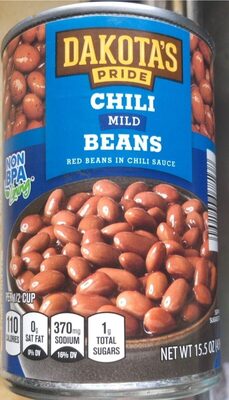
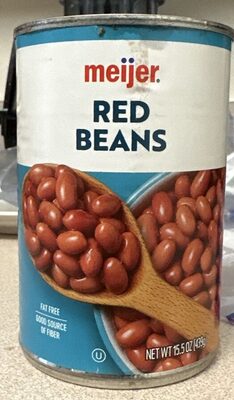
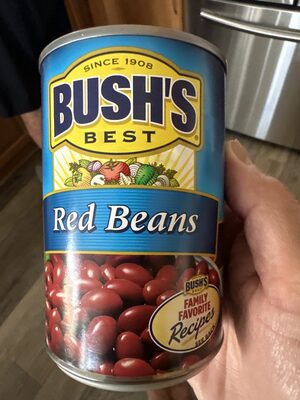
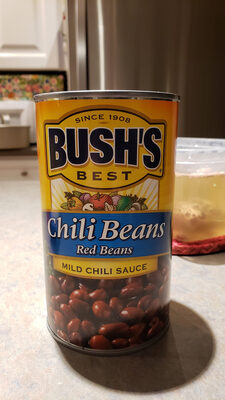
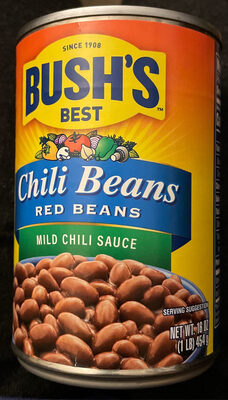
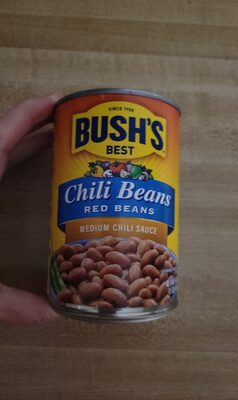
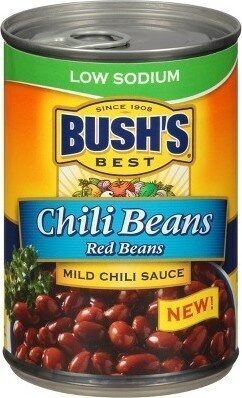
Auto-generated content. This description was generated automatically and is pending editorial review. Inaccuracies are possible. Found a mistake? Contact us.