Preservative And Evaporated Milk
What is Preservative And Evaporated Milk?
Evaporated milk is milk that has had about 60% of its water removed through heating. It is then homogenized, canned, and sterilized by heating. This process gives it a slightly caramelized flavor and a thicker consistency than regular milk.
Is Preservative And Evaporated Milk vegan?
No. Preservative And Evaporated Milk is animal-derived, so it is not vegan.
Is Preservative And Evaporated Milk gluten-free?
It does not contain gluten.
Is Preservative And Evaporated Milk a major allergen?
Evaporated milk is derived from milk, which is one of the FDA's nine major allergens.
What is Preservative And Evaporated Milk used for?
Evaporated milk is used in cooking and baking as a substitute for regular milk, especially in recipes where a richer, creamier texture is desired.
Is Preservative And Evaporated Milk safe?
Evaporated milk is a source of calcium and vitamin D, which are important for bone health.
Why it's used
Evaporated milk is used in cooking and baking as a substitute for regular milk, especially in recipes where a richer, creamier texture is desired. It's common in desserts like custards, puddings, and ice cream, as well as in savory dishes like soups and sauces.
Health notes
Evaporated milk is a source of calcium and vitamin D, which are important for bone health. The FDA considers it safe for consumption. Like regular milk, it contains lactose, which can be an issue for individuals with lactose intolerance. No specific health concerns are associated with its consumption at typical levels.
Allergen info
Evaporated milk is derived from milk, which is one of the FDA's nine major allergens. It does not contain gluten.
Foods that contain Preservative And Evaporated Milk
Compare products →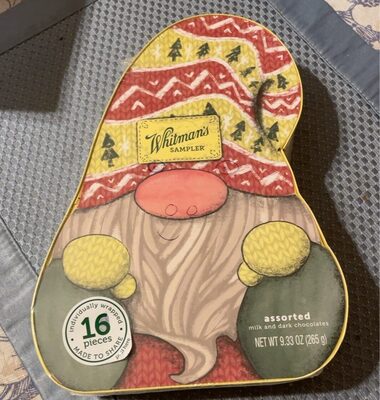 Whitman's Candies, Inc.
Assorted Milk And Dark Chocolates, Milk And Dark Chocolates
High in saturated fat — 20% DV per serving
High in added sugars — 30% DV per serving
121kcal
6.1Protein
21.2Fat
57.6Carbs
Whitman's Candies, Inc.
Assorted Milk And Dark Chocolates, Milk And Dark Chocolates
High in saturated fat — 20% DV per serving
High in added sugars — 30% DV per serving
121kcal
6.1Protein
21.2Fat
57.6Carbs
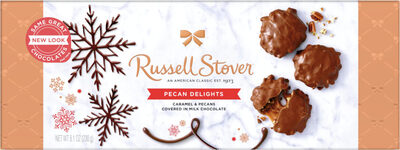 Russell Stover Candies Inc.
Caramel & Pecans Delights Covered In Milk Chocolate, Caramel & Pecans Delights
High in added sugars — 20% DV per serving
500kcal
3.9Protein
30.8Fat
57.7Carbs
Russell Stover Candies Inc.
Caramel & Pecans Delights Covered In Milk Chocolate, Caramel & Pecans Delights
High in added sugars — 20% DV per serving
500kcal
3.9Protein
30.8Fat
57.7Carbs
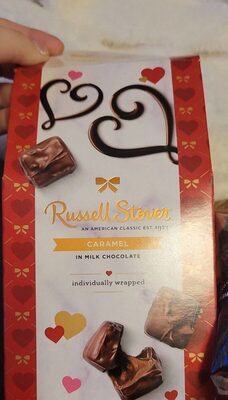 Russell Stover Candies Inc.
Caramel In Milk Chocolate, Caramel
High in added sugars — 26% DV per serving
464kcal
3.6Protein
21.4Fat
67.9Carbs
Russell Stover Candies Inc.
Caramel In Milk Chocolate, Caramel
High in added sugars — 26% DV per serving
464kcal
3.6Protein
21.4Fat
67.9Carbs
Learn more
Auto-generated content. This description was generated automatically and is pending editorial review. Inaccuracies are possible. Found a mistake? Contact us.