Preservative Ascorbic Acid
Auto-generated content. This description was generated automatically and is pending editorial review. Inaccuracies are possible. Found a mistake? Contact us.
What it is
Ascorbic acid is a form of vitamin C, an essential nutrient for humans. It is found naturally in many fruits and vegetables, such as citrus fruits and bell peppers. It can be produced commercially through chemical synthesis or fermentation processes.
Why it's used
Ascorbic acid is primarily used as a preservative to prevent spoilage by acting as an antioxidant, which slows down the browning of fruits and vegetables and prevents fats from going rancid. It is also used to maintain the color and flavor of foods and as an acidity regulator. It is commonly found in processed fruits and vegetables, baked goods, cured meats, and beverages.
Health notes
Ascorbic acid is generally recognized as safe (GRAS) by the FDA when used as a food additive. It is an essential nutrient, and deficiency leads to scurvy. The Joint FAO/WHO Expert Committee on Food Additives (JECFA) and the European Food Safety Authority (EFSA) have evaluated ascorbic acid and its salts. High doses can sometimes cause digestive upset in sensitive individuals. Evidence does not suggest adverse health effects from typical dietary intake.
Allergen info
Ascorbic acid is not derived from any of the nine FDA major allergens. It does not contain gluten.
Products containing Preservative Ascorbic Acid
Compare products →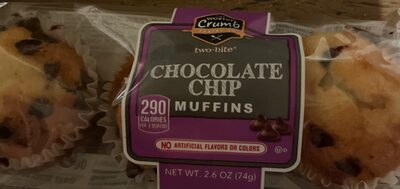 THE WORTHY CRUMB PASTRY CO.
Chocolate Chip Muffins
392kcal
4.0Protein
20.3Fat
50Carbs
Tommy V. Foods Inc.
Bella Di Cerignola Olives In Brine
123kcal
—Protein
11.4Fat
1.7Carbs
THE WORTHY CRUMB PASTRY CO.
Chocolate Chip Muffins
392kcal
4.0Protein
20.3Fat
50Carbs
Tommy V. Foods Inc.
Bella Di Cerignola Olives In Brine
123kcal
—Protein
11.4Fat
1.7Carbs
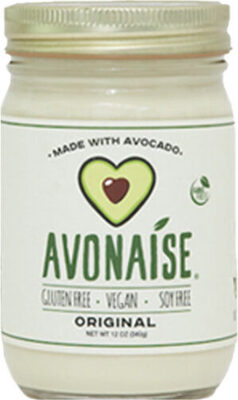 AVONAISE FOODS LLC
Original Avocado, Original
333kcal
0Protein
33.3Fat
6.7Carbs
Vidette Inc
Sun-Dried Tomatoes
High in sodium — 20% DV per serving
350kcal
10Protein
20Fat
30Carbs
AVONAISE FOODS LLC
Original Avocado, Original
333kcal
0Protein
33.3Fat
6.7Carbs
Vidette Inc
Sun-Dried Tomatoes
High in sodium — 20% DV per serving
350kcal
10Protein
20Fat
30Carbs