Pressed Barley
What is Pressed Barley?
Pressed barley is a food product made from the whole grain of barley. Barley is a cereal grain that has been cultivated for thousands of years. The grain is typically cleaned, dehulled, and then processed to create the final product.
Is Pressed Barley vegan?
Pressed Barley is not animal-derived. Products that contain it can still include other animal-derived ingredients, so check the full ingredient list.
Is Pressed Barley gluten-free?
However, barley contains gluten, which is a concern for individuals with celiac disease or gluten sensitivity.
Is Pressed Barley a major allergen?
Barley is not one of the nine major allergens identified by the FDA.
What is Pressed Barley used for?
Barley is often used as a whole grain in various food products.
Is Pressed Barley safe?
Barley is generally recognized as safe (GRAS) by the FDA for use in food.
Why it's used
Barley is often used as a whole grain in various food products. It can be found in breakfast cereals, baked goods, and as a component in savory dishes like soups and stews. Manufacturers may use it for its nutritional content and texture.
Health notes
Barley is generally recognized as safe (GRAS) by the FDA for use in food. It is a source of dietary fiber and various nutrients. The Joint FAO/WHO Expert Committee on Food Additives (JECFA) has evaluated barley and its components. Evidence suggests that barley's fiber content may contribute to digestive health.
Allergen info
Barley is not one of the nine major allergens identified by the FDA. However, barley contains gluten, which is a concern for individuals with celiac disease or gluten sensitivity.
Foods that contain Pressed Barley
Compare products →
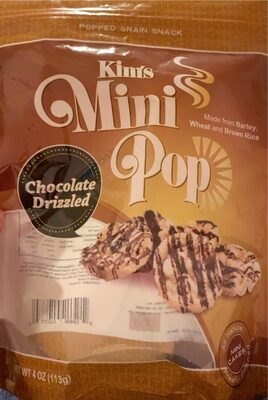 Kim'S Mini Pop
Chocolate Drizzled Popped Grain Snack, Chocolate
409kcal
9.1Protein
13.6Fat
63.6Carbs

Learn more
Auto-generated content. This description was generated automatically and is pending editorial review. Inaccuracies are possible. Found a mistake? Contact us.