Pro Vitamin A
What is Pro Vitamin A?
Provitamin A is a group of compounds that the body can convert into vitamin A. The most common form is beta-carotene, which is found naturally in many fruits and vegetables. It can also be synthesized for use as a food additive.
Is Pro Vitamin A vegan?
Pro Vitamin A is not animal-derived. Products that contain it can still include other animal-derived ingredients, so check the full ingredient list.
Is Pro Vitamin A gluten-free?
It does not contain gluten.
Is Pro Vitamin A a major allergen?
Provitamin A, particularly beta-carotene, is not derived from any of the nine FDA major allergens.
What is Pro Vitamin A used for?
Provitamin A is added to foods to increase their vitamin A content, acting as a nutrient.
Is Pro Vitamin A safe?
The FDA recognizes beta-carotene as Generally Recognized As Safe (GRAS) when used as a nutrient or food additive.
Why it's used
Provitamin A is added to foods to increase their vitamin A content, acting as a nutrient. It is often found in beverages like juices, nectars, and fortified drinks, as well as in some processed foods.
Health notes
The FDA recognizes beta-carotene as Generally Recognized As Safe (GRAS) when used as a nutrient or food additive. The body regulates the conversion of provitamin A to vitamin A, making toxicity from food sources rare. The Joint FAO/WHO Expert Committee on Food Additives (JECFA) has evaluated it. Evidence does not suggest adverse effects from typical dietary intake.
Allergen info
Provitamin A, particularly beta-carotene, is not derived from any of the nine FDA major allergens. It does not contain gluten.
Foods that contain Pro Vitamin A
Compare products →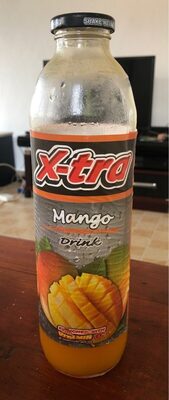
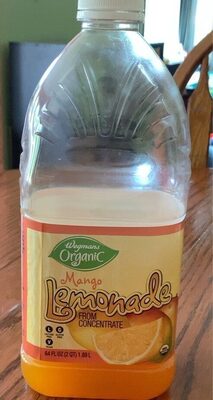
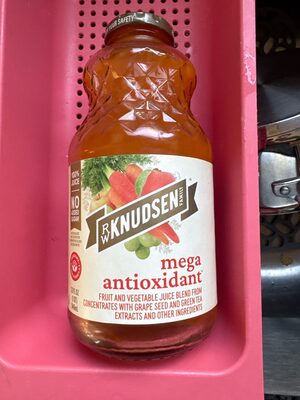
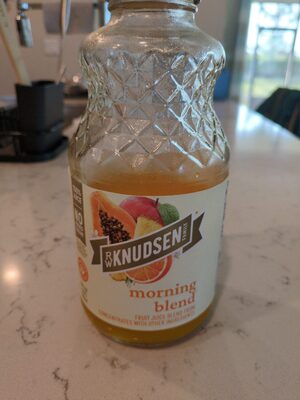
Learn more
Auto-generated content. This description was generated automatically and is pending editorial review. Inaccuracies are possible. Found a mistake? Contact us.