Probiotics Bacillus Coagulans
What is Probiotics Bacillus Coagulans?
Bacillus coagulans is a type of bacteria that is naturally found in the human gut. It is often grown in a lab for use in food products. This process involves cultivating the bacteria in a nutrient-rich medium and then drying and processing it into a stable form.
Is Probiotics Bacillus Coagulans vegan?
Probiotics Bacillus Coagulans is not animal-derived. Products that contain it can still include other animal-derived ingredients, so check the full ingredient list.
Is Probiotics Bacillus Coagulans gluten-free?
It does not contain gluten.
Is Probiotics Bacillus Coagulans a major allergen?
Bacillus coagulans is not derived from any of the nine FDA major allergens.
What is Probiotics Bacillus Coagulans used for?
Bacillus coagulans is added to foods as a source of live bacteria, often referred to as probiotics.
Is Probiotics Bacillus Coagulans safe?
Bacillus coagulans is generally recognized as safe (GRAS) by the FDA for use in certain foods.
Why it's used
Bacillus coagulans is added to foods as a source of live bacteria, often referred to as probiotics. Probiotics are thought to support gut health. It is commonly found in supplements, dairy products like yogurt, and some fermented foods.
Health notes
Bacillus coagulans is generally recognized as safe (GRAS) by the FDA for use in certain foods. Some studies suggest it may help with digestive issues like bloating and gas, but more research is needed to confirm these benefits. The World Health Organization (WHO) and the European Food Safety Authority (EFSA) have evaluated probiotics in general, but specific evaluations for Bacillus coagulans may vary. Evidence on its health effects is still developing, and it's not considered a cure for any disease.
Allergen info
Bacillus coagulans is not derived from any of the nine FDA major allergens. It does not contain gluten.
Foods that contain Probiotics Bacillus Coagulans
Compare products →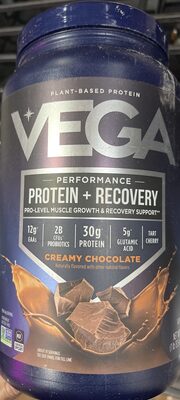
Auto-generated content. This description was generated automatically and is pending editorial review. Inaccuracies are possible. Found a mistake? Contact us.