Processing Aid And Natamycin
What is Processing Aid And Natamycin?
Natamycin is a natural antifungal compound produced by the bacterium *Streptomyces natalensis*. It is typically produced through fermentation and then purified for use in food.
Is Processing Aid And Natamycin vegan?
Processing Aid And Natamycin is not animal-derived. Products that contain it can still include other animal-derived ingredients, so check the full ingredient list.
Is Processing Aid And Natamycin gluten-free?
Natamycin is not derived from any of the 9 FDA major allergens and does not contain gluten.
What is Processing Aid And Natamycin used for?
Natamycin is used as a preservative to prevent the growth of mold and yeast on the surface of foods.
Is Processing Aid And Natamycin safe?
In the United States, natamycin is Generally Recognized As Safe (GRAS) by the FDA for use as a food preservative.
Why it's used
Natamycin is used as a preservative to prevent the growth of mold and yeast on the surface of foods. It is most commonly found on cheeses and in processed meats, as well as some baked goods and dried fruits.
Health notes
In the United States, natamycin is Generally Recognized As Safe (GRAS) by the FDA for use as a food preservative. It is poorly absorbed by the body when consumed, and is not known to cause adverse health effects at typical intake levels. International bodies like JECFA and EFSA have also evaluated natamycin and have not set specific intake limits.
Allergen info
Natamycin is not derived from any of the 9 FDA major allergens and does not contain gluten.
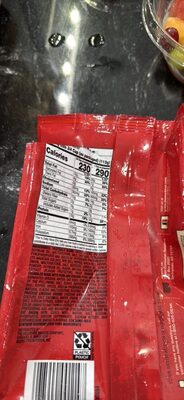
Foods that contain Processing Aid And Natamycin
Compare products →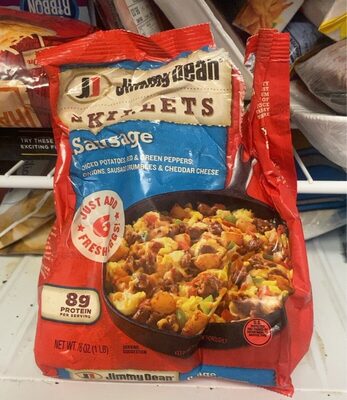
Learn more
Auto-generated content. This description was generated automatically and is pending editorial review. Inaccuracies are possible. Found a mistake? Contact us.