Proprietary Natural Enzymes
Auto-generated content. This description was generated automatically and is pending editorial review. Inaccuracies are possible. Found a mistake? Contact us.
What it is
Proprietary natural enzymes are specific enzymes that food manufacturers use to achieve desired changes in food products. These enzymes are typically derived from natural sources like plants, animals, or microorganisms through controlled fermentation or extraction processes. The exact source and production method are often kept confidential by the manufacturer.
Why it's used
Manufacturers add proprietary natural enzymes to improve dough handling, texture, and shelf life in baked goods like breads and buns. They can also be used in snack and energy bars to modify ingredients and enhance the final product's characteristics.
Health notes
Enzymes used in food are generally considered safe and are often designated as GRAS (Generally Recognized As Safe) by the FDA. They are typically broken down during digestion and do not have significant health effects at the levels found in food. International bodies like JECFA have evaluated many food enzymes, and EFSA also assesses their safety.
Allergen info
Depending on the source, proprietary enzymes could potentially be derived from major allergens. Manufacturers must declare allergens if the enzyme preparation contains them as ingredients or processing aids. Gluten is not typically associated with enzymes themselves unless derived from gluten-containing grains.
Products containing Proprietary Natural Enzymes
Compare products →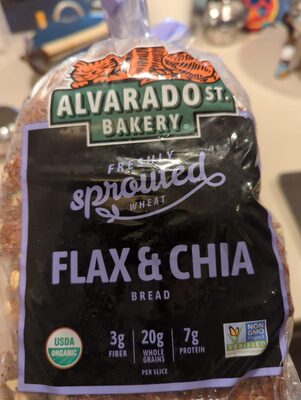 Alvarado Street Bakery
Sprouted Flax & Chia Bread
279kcal
16.3Protein
3.5Fat
46.5Carbs
Alvarado Street Bakery
Sprouted Flax & Chia Bread
279kcal
16.3Protein
3.5Fat
46.5Carbs