Organic Unbleached Wheat Flour
What is Organic Unbleached Wheat Flour?
Organic unbleached wheat flour is made from wheat grains that have not been bleached with chemicals. The 'organic' label means it was grown without synthetic pesticides or fertilizers. It is a staple ingredient in many baked goods.
Is Organic Unbleached Wheat Flour vegan?
Organic Unbleached Wheat Flour is not animal-derived. Products that contain it can still include other animal-derived ingredients, so check the full ingredient list.
Is Organic Unbleached Wheat Flour gluten-free?
This flour contains gluten, a protein found in wheat that can cause adverse reactions in people with celiac disease or non-celiac gluten sensitivity.
Is Organic Unbleached Wheat Flour a major allergen?
Wheat is one of the 9 FDA major allergens.
What is Organic Unbleached Wheat Flour used for?
Flour provides structure and texture to baked goods.
Is Organic Unbleached Wheat Flour safe?
Organic unbleached wheat flour is generally recognized as safe (GRAS) by the FDA.
Why it's used
Flour provides structure and texture to baked goods. It is a primary ingredient in breads, cookies, cakes, and pasta. Manufacturers use it as a base for doughs and batters.
Health notes
Organic unbleached wheat flour is generally recognized as safe (GRAS) by the FDA. It is a source of carbohydrates and some B vitamins. The WHO/IARC has not classified wheat flour. Evidence does not suggest adverse health effects from typical consumption.
Allergen info
Wheat is one of the 9 FDA major allergens. This flour contains gluten, a protein found in wheat that can cause adverse reactions in people with celiac disease or non-celiac gluten sensitivity.
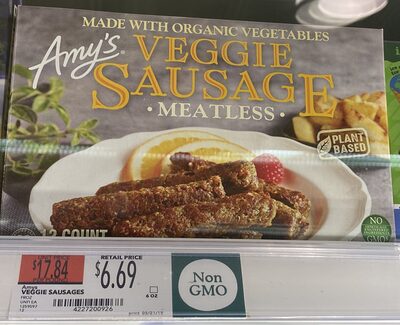
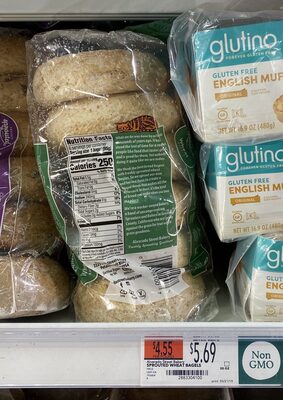
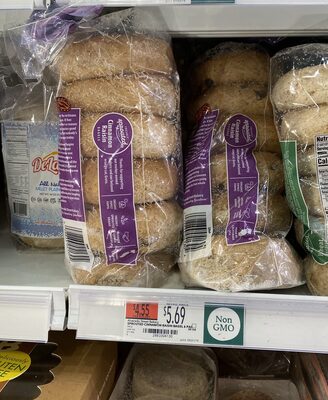
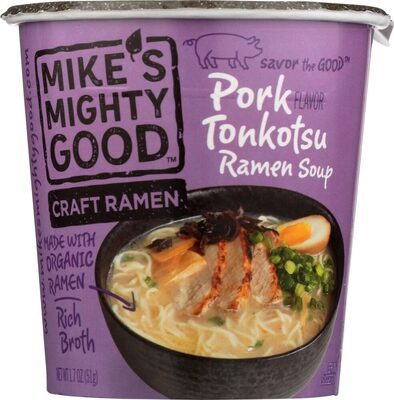
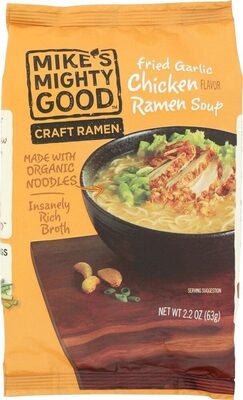
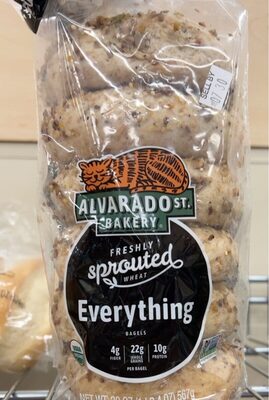
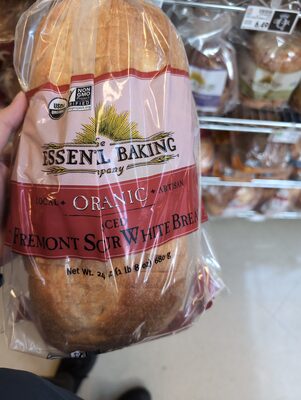
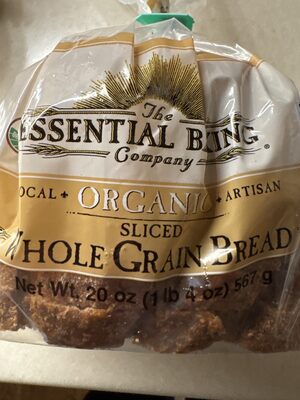
Foods that contain Organic Unbleached Wheat Flour
Compare products →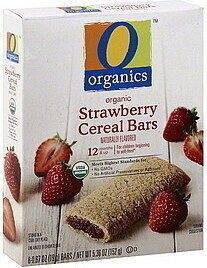
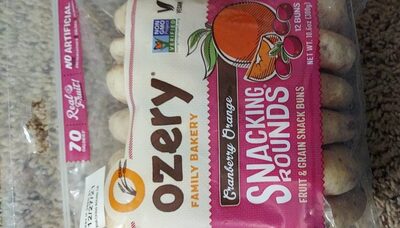
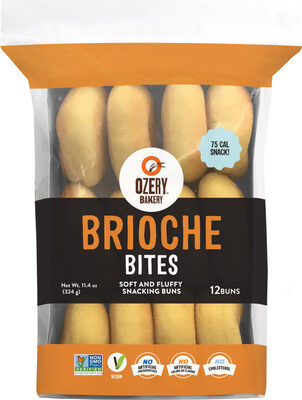
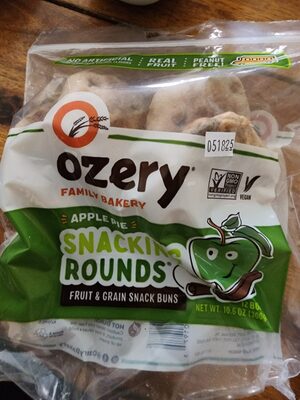
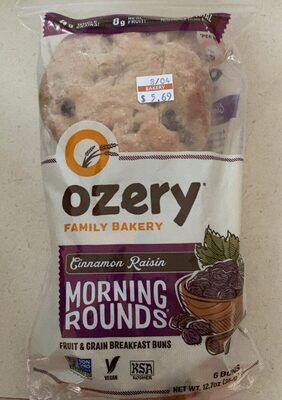
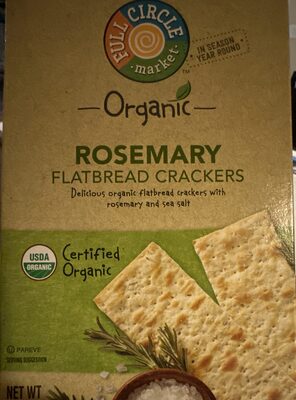
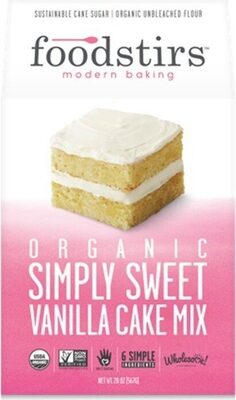
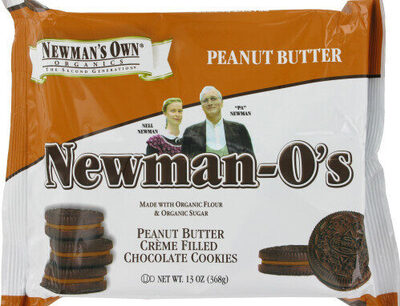
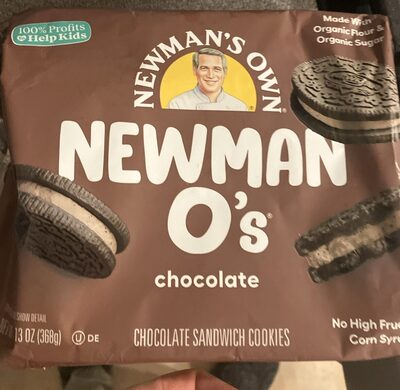
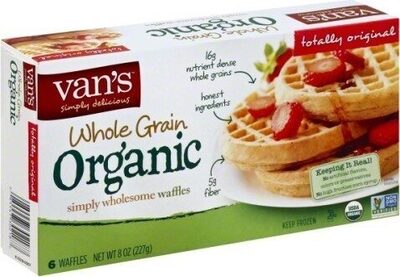
Learn more
Auto-generated content. This description was generated automatically and is pending editorial review. Inaccuracies are possible. Found a mistake? Contact us.