Propylene Glycol And Polysorbate 80
What is Propylene Glycol And Polysorbate 80?
Propylene glycol is a synthetic liquid substance that absorbs water. It is often used as a humectant, solvent, and preservative in foods. It is generally recognized as safe (GRAS) by the FDA.
Is Propylene Glycol And Polysorbate 80 vegan?
Propylene Glycol And Polysorbate 80 is not animal-derived. Products that contain it can still include other animal-derived ingredients, so check the full ingredient list.
Is Propylene Glycol And Polysorbate 80 gluten-free?
It does not contain gluten.
Is Propylene Glycol And Polysorbate 80 a major allergen?
Propylene glycol is not derived from any of the 9 FDA major allergens.
What is Propylene Glycol And Polysorbate 80 used for?
Propylene glycol is used to keep foods moist and prevent them from drying out.
Is Propylene Glycol And Polysorbate 80 safe?
The FDA lists propylene glycol as GRAS for use in food.
Why it's used
Propylene glycol is used to keep foods moist and prevent them from drying out. It can also help to blend oil and water-based ingredients, acting as an emulsifier. It is commonly found in items like pickles, olives, relishes, and deli salads.
Health notes
The FDA lists propylene glycol as GRAS for use in food. It is generally considered safe when consumed in typical amounts found in food. JECFA and EFSA have evaluated propylene glycol and established acceptable daily intakes. Some individuals may experience mild side effects like nausea or diarrhea if they consume very large amounts, but this is rare.
Allergen info
Propylene glycol is not derived from any of the 9 FDA major allergens. It does not contain gluten.
Foods that contain Propylene Glycol And Polysorbate 80
Compare products →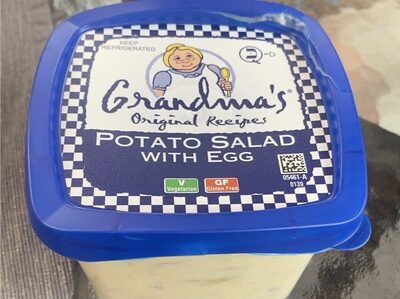 Jaybee Mfg Corp
Potato Salad With Egg, Potato With Egg
186kcal
2.1Protein
12.9Fat
14.3Carbs
Jaybee Mfg Corp
Mustard Potato Salad, Mustard
High in sodium — 20% DV per serving
179kcal
2.1Protein
12.9Fat
14.3Carbs
Giant Eagle, Inc.
Ham Salad
High in sodium — 36% DV per serving
300kcal
8Protein
25Fat
10Carbs
Sandridge Food Corporation
Butternut Squash Bisque
High in sodium — 27% DV per serving
High in saturated fat — 50% DV per serving
High in cholesterol — 20% DV per serving
127kcal
1.6Protein
8.2Fat
13.1Carbs
Sandridge Food Corporation
Soup With Bacon, Pumpkin, Roasted Apple
High in sodium — 31% DV per serving
High in saturated fat — 60% DV per serving
High in cholesterol — 24% DV per serving
131kcal
2.0Protein
8.6Fat
11.4Carbs
Giant Eagle, Inc.
Summer Slaw, Sweet And Tangy
160kcal
1Protein
4Fat
30Carbs
Raybern Foods, Inc.
Golden & Crispy Grilled Cheese Sandwich, Macaroni & Cheese, Sharp Cheddar Cheese And Applewood-Smoked Bacon On Grilled Sourdough Bread
High in sodium — 32% DV per serving
High in saturated fat — 45% DV per serving
234kcal
8.5Protein
11.4Fat
26.4Carbs
Jaybee Mfg Corp
Potato Salad With Egg, Potato With Egg
186kcal
2.1Protein
12.9Fat
14.3Carbs
Jaybee Mfg Corp
Mustard Potato Salad, Mustard
High in sodium — 20% DV per serving
179kcal
2.1Protein
12.9Fat
14.3Carbs
Giant Eagle, Inc.
Ham Salad
High in sodium — 36% DV per serving
300kcal
8Protein
25Fat
10Carbs
Sandridge Food Corporation
Butternut Squash Bisque
High in sodium — 27% DV per serving
High in saturated fat — 50% DV per serving
High in cholesterol — 20% DV per serving
127kcal
1.6Protein
8.2Fat
13.1Carbs
Sandridge Food Corporation
Soup With Bacon, Pumpkin, Roasted Apple
High in sodium — 31% DV per serving
High in saturated fat — 60% DV per serving
High in cholesterol — 24% DV per serving
131kcal
2.0Protein
8.6Fat
11.4Carbs
Giant Eagle, Inc.
Summer Slaw, Sweet And Tangy
160kcal
1Protein
4Fat
30Carbs
Raybern Foods, Inc.
Golden & Crispy Grilled Cheese Sandwich, Macaroni & Cheese, Sharp Cheddar Cheese And Applewood-Smoked Bacon On Grilled Sourdough Bread
High in sodium — 32% DV per serving
High in saturated fat — 45% DV per serving
234kcal
8.5Protein
11.4Fat
26.4Carbs
Auto-generated content. This description was generated automatically and is pending editorial review. Inaccuracies are possible. Found a mistake? Contact us.