Pyridoxine Hydrochloride Riboflavin
What is Pyridoxine Hydrochloride Riboflavin?
Pyridoxine hydrochloride is a synthetic form of vitamin B6, an essential nutrient that plays a role in metabolism and brain function. It is typically manufactured through chemical synthesis.
Is Pyridoxine Hydrochloride Riboflavin vegan?
Pyridoxine Hydrochloride Riboflavin is not animal-derived. Products that contain it can still include other animal-derived ingredients, so check the full ingredient list.
Is Pyridoxine Hydrochloride Riboflavin gluten-free?
It does not contain gluten.
Is Pyridoxine Hydrochloride Riboflavin a major allergen?
Not a major allergen.
What is Pyridoxine Hydrochloride Riboflavin used for?
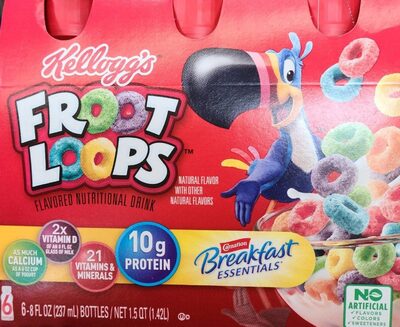
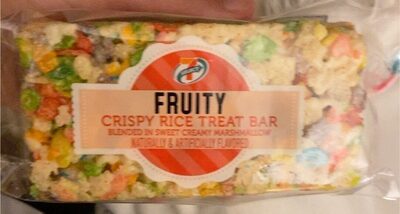
Manufacturers add pyridoxine hydrochloride to foods as a nutrient supplement, often in fortified cereals, energy drinks, and baked goods.
Is Pyridoxine Hydrochloride Riboflavin safe?
Pyridoxine hydrochloride is generally recognized as safe (GRAS) by the FDA when used as a nutrient.
Why it's used
Manufacturers add pyridoxine hydrochloride to foods as a nutrient supplement, often in fortified cereals, energy drinks, and baked goods. It helps ensure consumers receive adequate levels of vitamin B6, which the body cannot produce on its own.
Health notes
Pyridoxine hydrochloride is generally recognized as safe (GRAS) by the FDA when used as a nutrient. The FDA permits its use in food. JECFA and EFSA have evaluated vitamin B6 and established acceptable daily intake levels. While vitamin B6 is essential, very high intakes from supplements have been linked to nerve damage in some cases, though this is not typically seen from food fortification.
Allergen info
Not a major allergen. It does not contain gluten.
Foods that contain Pyridoxine Hydrochloride Riboflavin
Compare products →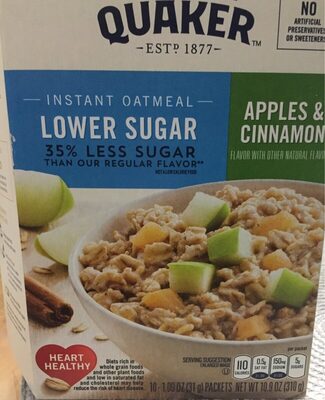

Learn more
Auto-generated content. This description was generated automatically and is pending editorial review. Inaccuracies are possible. Found a mistake? Contact us.