Raisins Coated With Less Than 1% Sunflower Oil
What is Raisins Coated With Less Than 1% Sunflower Oil?
Raisins are dried grapes, typically seedless varieties like Thompson Seedless. The coating of less than 1% sunflower oil is added to prevent the raisins from clumping together, keeping them free-flowing.
Is Raisins Coated With Less Than 1% Sunflower Oil vegan?
Raisins Coated With Less Than 1% Sunflower Oil is not animal-derived. Products that contain it can still include other animal-derived ingredients, so check the full ingredient list.
Is Raisins Coated With Less Than 1% Sunflower Oil gluten-free?
It does not contain gluten.
Is Raisins Coated With Less Than 1% Sunflower Oil a major allergen?
Sunflower oil is not derived from any of the 9 FDA major allergens.
What is Raisins Coated With Less Than 1% Sunflower Oil used for?
Sunflower oil is added to raisins to act as an anti-caking agent, preventing them from sticking together.
Is Raisins Coated With Less Than 1% Sunflower Oil safe?
Sunflower oil is generally recognized as safe (GRAS) by the FDA for use in food.
Why it's used
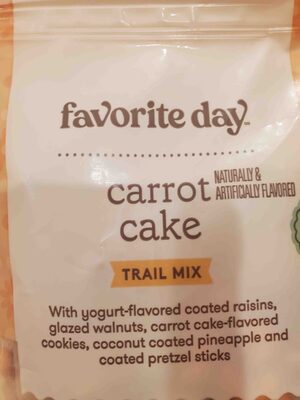
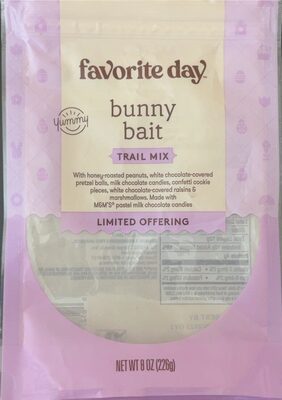
Sunflower oil is added to raisins to act as an anti-caking agent, preventing them from sticking together. This makes them easier to handle and mix into food products. They are commonly found in trail mixes, baked goods, and confectionery.
Health notes
Sunflower oil is generally recognized as safe (GRAS) by the FDA for use in food. It is a source of unsaturated fats, including linoleic acid. International bodies like JECFA have evaluated sunflower oil and established acceptable daily intake levels. At the low levels used to coat raisins, it is not expected to have significant health effects.
Allergen info
Sunflower oil is not derived from any of the 9 FDA major allergens. It does not contain gluten.
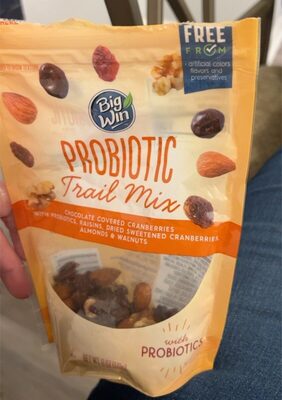
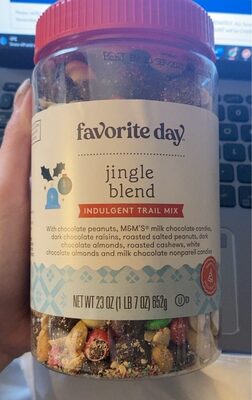
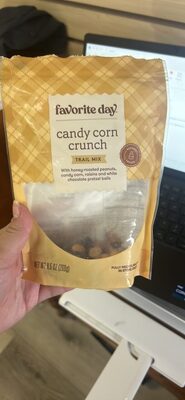
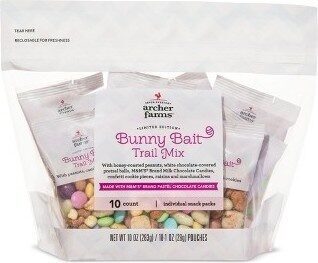
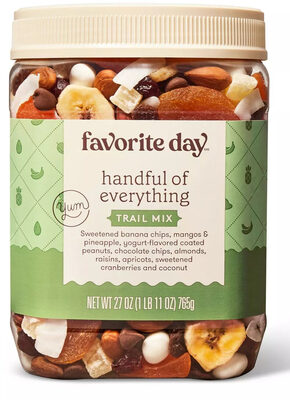
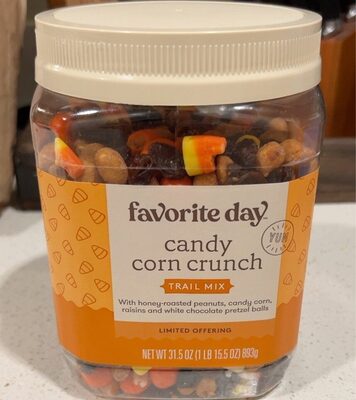
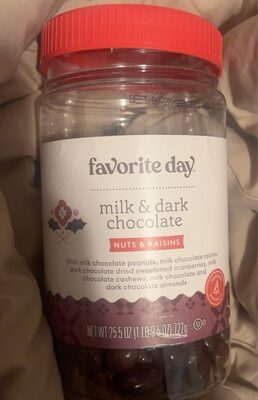
Foods that contain Raisins Coated With Less Than 1% Sunflower Oil
Compare products →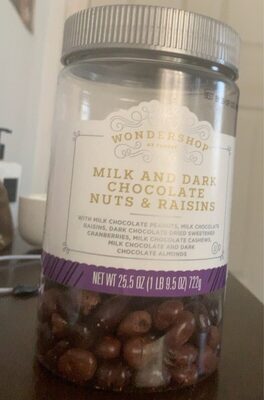
Learn more
Auto-generated content. This description was generated automatically and is pending editorial review. Inaccuracies are possible. Found a mistake? Contact us.