Razor Clams
What is Razor Clams?
Razor clams are a type of saltwater clam known for their long, narrow, and somewhat rectangular shells. They are found in coastal waters worldwide and are harvested from beaches and ocean floors. Once harvested, they are typically cleaned and can be sold fresh, frozen, or canned.
Is Razor Clams vegan?
No. Razor Clams is animal-derived, so it is not vegan.
Is Razor Clams a major allergen?
Razor clams are a type of shellfish and are therefore considered one of the 9 major allergens by the FDA.
What is Razor Clams used for?
Razor clams are prized for their sweet, briny flavor and tender texture.
Is Razor Clams safe?
Razor clams are a natural food source and are not typically subject to FDA additive regulations.
Why it's used
Razor clams are prized for their sweet, briny flavor and tender texture. They are often used in seafood dishes, pasta sauces, chowders, and paellas. Manufacturers include them to provide a distinct seafood taste and texture to packaged foods.
Health notes
Razor clams are a natural food source and are not typically subject to FDA additive regulations. They are a good source of protein, vitamins, and minerals. As with all seafood, it's important to consume them from reputable sources to minimize potential exposure to environmental contaminants. JECFA and EFSA have not specifically evaluated razor clams as a food additive.
Allergen info
Razor clams are a type of shellfish and are therefore considered one of the 9 major allergens by the FDA. Shellfish allergies can be severe for some individuals.
Foods that contain Razor Clams
Compare products →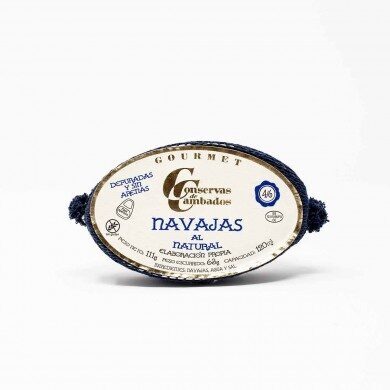
Auto-generated content. This description was generated automatically and is pending editorial review. Inaccuracies are possible. Found a mistake? Contact us.