Auto-generated content.
This description was generated automatically and is pending editorial review.
Inaccuracies are possible. Found a mistake? Contact us.
Source
Not animal-derived
Allergen
No
Role in food
Manufacturers use reconstituted lemon juice to add a tart, citrus flavor to foods. It …
What it is
Reconstituted lemon juice is made by adding water to concentrated lemon juice. The concentration process removes water from fresh lemon juice, making it more shelf-stable and easier to transport. Reconstituting it returns it to a liquid form similar to fresh juice.
Why it's used
Manufacturers use reconstituted lemon juice to add a tart, citrus flavor to foods. It can also act as a preservative by lowering the pH of a product, which helps inhibit microbial growth. It is commonly found in jams, jellies, sauces, dressings, baked goods, and beverages.
Health notes
Reconstituted lemon juice is generally recognized as safe (GRAS) by the FDA when used as a food ingredient. It is a source of vitamin C, which is an essential nutrient. JECFA has evaluated citric acid, a primary component of lemon juice, and established an acceptable daily intake. No significant health concerns are associated with the typical consumption of reconstituted lemon juice.
Allergen info
Lemon juice is not derived from any of the nine FDA major allergens. It does not contain gluten.
Note:
This site presents label data from USDA FoodData Central for general information. It is not medical advice.
Check the package label; formulations change.
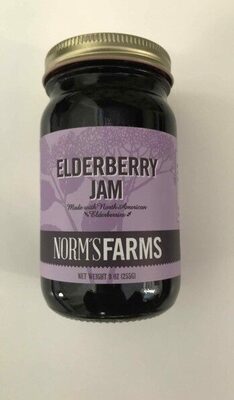 Norm's Farms, LLC
Elderberry Jam, Elderberry
293kcal
6.7Protein
0Fat
66.7Carbs
Norm's Farms, LLC
Elderberry Jam, Elderberry
293kcal
6.7Protein
0Fat
66.7Carbs