Reconstituted Low Fat Milk
What is Reconstituted Low Fat Milk?
Reconstituted low-fat milk is made by adding water to milk powder. This process is used to create a liquid milk product with a lower fat content. It is a way to standardize milk for use in various food products.
Is Reconstituted Low Fat Milk vegan?
No. Reconstituted Low Fat Milk is animal-derived, so it is not vegan.
Is Reconstituted Low Fat Milk a major allergen?
Milk is one of the 9 FDA major allergens.
What is Reconstituted Low Fat Milk used for?
Manufacturers use reconstituted low-fat milk as a base for dairy beverages and spreads.
Is Reconstituted Low Fat Milk safe?
Reconstituted low-fat milk is a dairy product and a source of calcium and vitamin D, if fortified.
Why it's used
Manufacturers use reconstituted low-fat milk as a base for dairy beverages and spreads. It provides a milky flavor and texture without the higher fat content of whole milk. It is commonly found in flavored milks, coffee creamers, and caramel spreads.
Health notes
Reconstituted low-fat milk is a dairy product and a source of calcium and vitamin D, if fortified. The U.S. Food and Drug Administration (FDA) considers milk and low-fat milk to be Generally Recognized As Safe (GRAS). Major health organizations do not typically issue specific guidance on reconstituted milk, as it is nutritionally similar to regular low-fat milk. No significant health concerns are associated with its consumption at typical intake levels.
Allergen info
Milk is one of the 9 FDA major allergens. Therefore, reconstituted low-fat milk is a major allergen.
Foods that contain Reconstituted Low Fat Milk
Compare products →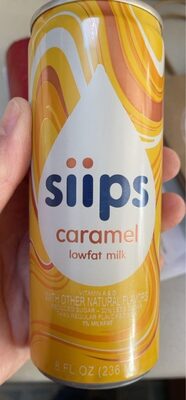
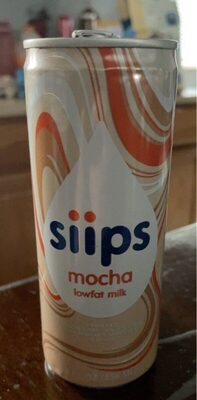
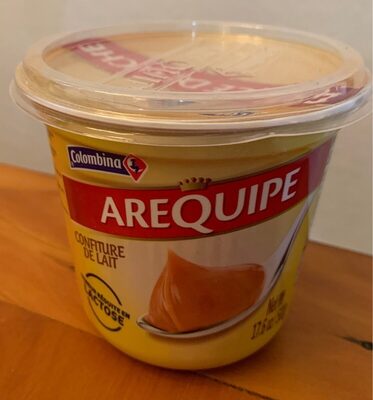
Learn more
Auto-generated content. This description was generated automatically and is pending editorial review. Inaccuracies are possible. Found a mistake? Contact us.