Red Confectionery Coating
What is Red Confectionery Coating?
Red Confectionery Coating is a type of icing or glaze used to coat candies and baked goods. It is typically made from sugar, corn syrup, and food coloring, often with added flavorings and stabilizers.
Is Red Confectionery Coating a major allergen?
Not a major allergen.
What is Red Confectionery Coating used for?
Manufacturers use this coating to add a vibrant red color and a sweet, slightly crunchy texture to foods.
Is Red Confectionery Coating safe?
In the US, the components of red confectionery coating, such as sugar and corn syrup, are generally recognized as safe (GRAS) by the FDA when used as intended.
Why it's used
Manufacturers use this coating to add a vibrant red color and a sweet, slightly crunchy texture to foods. It is commonly found on pretzels, popcorn, peanuts, and various baked goods like cakes and cupcakes.
Health notes
In the US, the components of red confectionery coating, such as sugar and corn syrup, are generally recognized as safe (GRAS) by the FDA when used as intended. The food colorings used are subject to FDA regulation. International bodies like JECFA and EFSA have evaluated various food colorings. Concerns have been raised in some studies about the potential impact of certain artificial colorings on behavior in children, but the evidence is mixed and debated.
Allergen info
Not a major allergen. However, some confectionery coatings may contain or be manufactured on equipment that also processes major allergens like soy or milk.
Foods that contain Red Confectionery Coating
Compare products →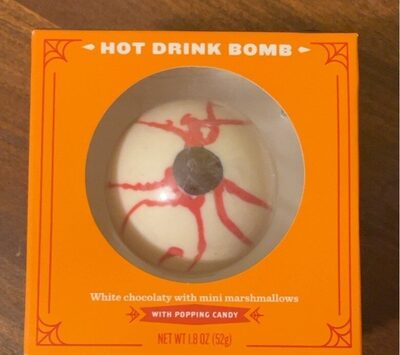
Learn more
Auto-generated content. This description was generated automatically and is pending editorial review. Inaccuracies are possible. Found a mistake? Contact us.