Red Rice Flour
What is Red Rice Flour?
Red rice flour is made from rice that has a naturally reddish bran layer. The grain is milled into flour, retaining some of the bran and germ. This gives the flour a distinctive color and a slightly nuttier flavor compared to white rice flour.
Is Red Rice Flour vegan?
Red Rice Flour is not animal-derived. Products that contain it can still include other animal-derived ingredients, so check the full ingredient list.
Is Red Rice Flour gluten-free?
It is naturally gluten-free.
Is Red Rice Flour a major allergen?
Not a major allergen.
What is Red Rice Flour used for?
Manufacturers use red rice flour primarily for its natural coloring properties, imparting a reddish-brown hue to foods.
Is Red Rice Flour safe?
Red rice flour is generally recognized as safe (GRAS) by the FDA for use in food.
Why it's used
Manufacturers use red rice flour primarily for its natural coloring properties, imparting a reddish-brown hue to foods. It can also contribute a subtle earthy flavor and texture. It is often found in processed meats, plant-based meat alternatives, and baked goods seeking a natural colorant.
Health notes
Red rice flour is generally recognized as safe (GRAS) by the FDA for use in food. It is a source of fiber and antioxidants from the rice bran. Regulatory bodies like JECFA have evaluated rice and rice products, but specific evaluations for red rice flour's health effects at typical consumption levels are not widely detailed. Evidence on its health benefits is primarily linked to the general nutritional profile of whole grains.
Allergen info
Not a major allergen. Rice is not one of the nine FDA major food allergens. It is naturally gluten-free.
Foods that contain Red Rice Flour
Compare products →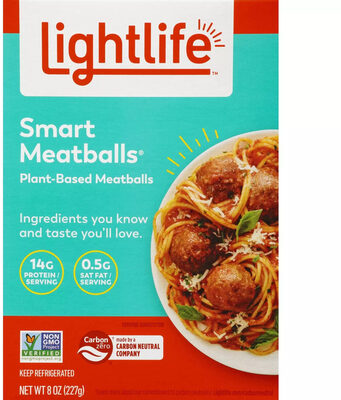
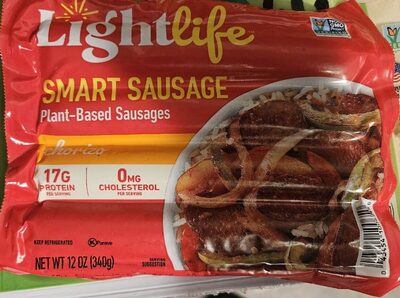
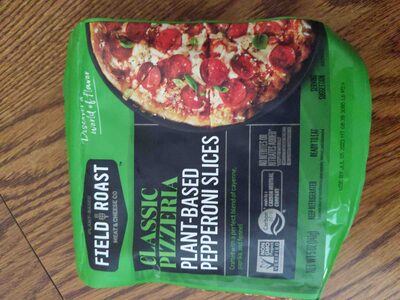

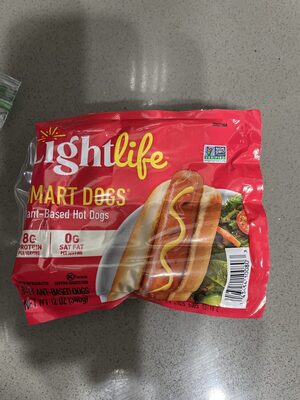

Learn more
Auto-generated content. This description was generated automatically and is pending editorial review. Inaccuracies are possible. Found a mistake? Contact us.