Red Wine Vinaigrette
What is Red Wine Vinaigrette?
Red wine vinaigrette is a salad dressing made primarily from red wine vinegar and oil, often with added herbs, spices, and sweeteners. The red wine vinegar is produced by fermenting red wine, and the oil is typically olive oil or another vegetable oil. It is commonly emulsified to combine the oil and vinegar.
Is Red Wine Vinaigrette a major allergen?
Red wine vinaigrette is not a major allergen.
What is Red Wine Vinaigrette used for?
Manufacturers use red wine vinaigrette as a flavorful dressing for salads and as a marinade for meats and vegetables.
Is Red Wine Vinaigrette safe?
Red wine vinaigrette is generally recognized as safe (GRAS) by the FDA when used as a food ingredient.
Why it's used
Manufacturers use red wine vinaigrette as a flavorful dressing for salads and as a marinade for meats and vegetables. Its acidic and oily components help to tenderize food and add a tangy, complex taste. It is frequently found in salad kits, deli salads, and as a component in marinades.
Health notes
Red wine vinaigrette is generally recognized as safe (GRAS) by the FDA when used as a food ingredient. The primary components, vinegar and oil, are common food items with no specific upper intake limits set by regulatory bodies. International bodies like JECFA and EFSA have evaluated components of vinaigrettes, such as vinegar, but do not typically set specific limits for mixed dressings. No significant health controversies are associated with typical consumption.
Allergen info
Red wine vinaigrette is not a major allergen. However, some recipes may include ingredients like mustard or soy sauce, which can be allergens.
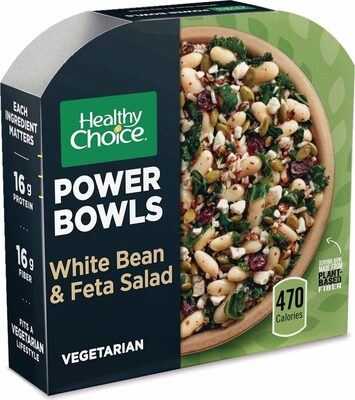
Foods that contain Red Wine Vinaigrette
Compare products →
Learn more
Auto-generated content. This description was generated automatically and is pending editorial review. Inaccuracies are possible. Found a mistake? Contact us.