Reese's Peanut Butter Cups
What is Reese's Peanut Butter Cups?
Reese's Peanut Butter Cups are a popular candy consisting of a chocolate-flavored shell filled with a sweet, creamy peanut butter center. They are manufactured by The Hershey Company and are often used as a component in other food products. When used as an ingredient, they are typically chopped or crumbled pieces of the original candy.
Is Reese's Peanut Butter Cups vegan?
No. Reese's Peanut Butter Cups is animal-derived, so it is not vegan.
Is Reese's Peanut Butter Cups a major allergen?
This ingredient contains peanuts, milk, and soy, which are all major allergens identified by the FDA.
What is Reese's Peanut Butter Cups used for?
Manufacturers incorporate Reese's Peanut Butter Cups into other foods primarily to add their distinctive chocolate and peanut butter flavor and texture.
Is Reese's Peanut Butter Cups safe?
As a composite food product, Reese's Peanut Butter Cups are not regulated by the FDA as a single food additive.
Why it's used
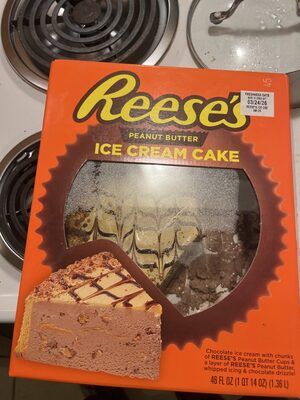
Manufacturers incorporate Reese's Peanut Butter Cups into other foods primarily to add their distinctive chocolate and peanut butter flavor and texture. They also leverage the candy's brand recognition. Common applications include cookies, frozen desserts, cakes, and snack cakes.
Health notes
As a composite food product, Reese's Peanut Butter Cups are not regulated by the FDA as a single food additive. Their nutritional profile includes significant amounts of added sugars and fats. The 2025-2030 Dietary Guidelines for Americans advise no recommended amount of added sugars and suggest limiting saturated fat intake to less than 10% of daily calories. The FDA's Daily Value for sodium is 2,300 mg. There are no specific JECFA or EFSA evaluations for Reese's Peanut Butter Cups as an ingredient.
Allergen info
This ingredient contains peanuts, milk, and soy, which are all major allergens identified by the FDA.
Foods that contain Reese's Peanut Butter Cups
Compare products →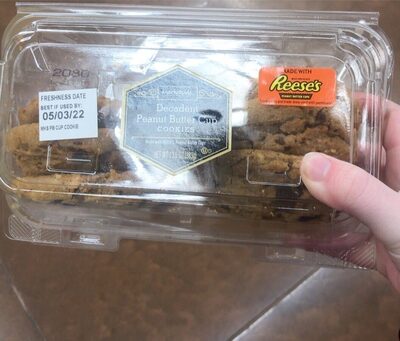
Auto-generated content. This description was generated automatically and is pending editorial review. Inaccuracies are possible. Found a mistake? Contact us.