Resistant Cassava Fiber
Auto-generated content. This description was generated automatically and is pending editorial review. Inaccuracies are possible. Found a mistake? Contact us.
What it is
Resistant cassava fiber is a type of dietary fiber derived from the cassava root, a starchy tuber native to South America. It is produced through a process that modifies the cassava starch to make it resistant to digestion in the small intestine, allowing it to function like fiber.
Why it's used
Manufacturers add resistant cassava fiber to foods to increase their fiber content, often without significantly altering the taste or texture. It is commonly found in baked goods such as cookies, muffins, and pastries, where it can also contribute to a softer texture.
Health notes
Resistant cassava fiber is generally recognized as safe (GRAS) by the FDA for use in food. As a fiber, it can contribute to digestive health by promoting regularity. Some studies suggest that resistant starches may have prebiotic effects, feeding beneficial gut bacteria. JECFA has evaluated resistant starches, and EFSA has also reviewed dietary fibers. Evidence on the specific health impacts of resistant cassava fiber at typical consumption levels is still developing.
Allergen info
Resistant cassava fiber is not derived from any of the nine FDA major allergens. It does not contain gluten.
Products containing Resistant Cassava Fiber
Compare products →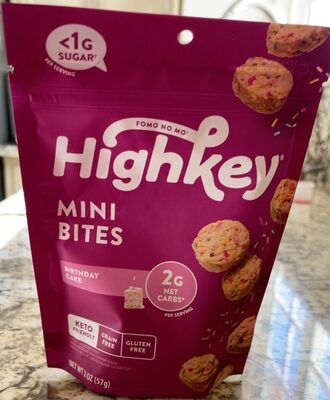 Summit Naturals, Inc.
Birthday Cake Soft Baked Mini Treats, Birthday Cake
393kcal
14.3Protein
32.1Fat
42.9Carbs
Summit Naturals, Inc.
Birthday Cake Soft Baked Mini Treats, Birthday Cake
393kcal
14.3Protein
32.1Fat
42.9Carbs
 Summit Naturals, Inc.
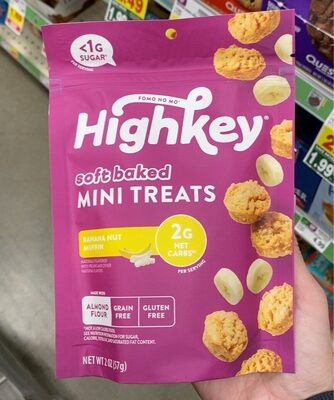
Banana Nut Muffin Flavored Soft Baked Mini Treats, Banana Nut Muffin
429kcal
14.3Protein
35.7Fat
—Carbs
Summit Naturals, Inc.
Banana Nut Muffin Flavored Soft Baked Mini Treats, Banana Nut Muffin
429kcal
14.3Protein
35.7Fat
—Carbs
 Summit Naturals, Inc.
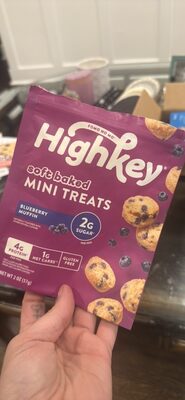
Blueberry Muffin Flavored Soft Baked Mini Treats, Blueberry Muffin
786kcal
14.3Protein
32.1Fat
42.9Carbs
Summit Naturals, Inc.
Blueberry Muffin Flavored Soft Baked Mini Treats, Blueberry Muffin
786kcal
14.3Protein
32.1Fat
42.9Carbs
 Summit Naturals, Inc.
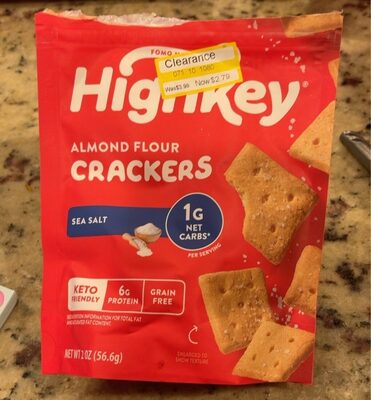
Sea Salt Almond Flour Crackers, Sea Salt
High in saturated fat — 23% DV per serving
517kcal
24.1Protein
34.5Fat
34.5Carbs
Summit Naturals, Inc.
Sea Salt Almond Flour Crackers, Sea Salt
High in saturated fat — 23% DV per serving
517kcal
24.1Protein
34.5Fat
34.5Carbs
 Summit Naturals, Inc.
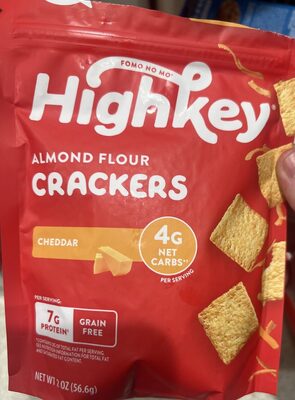
Cheddar Almond Flour Crackers, Almond; Cheddar
High in saturated fat — 23% DV per serving
483kcal
24.1Protein
34.5Fat
34.5Carbs
Summit Naturals, Inc.
Cheddar Almond Flour Crackers, Almond; Cheddar
High in saturated fat — 23% DV per serving
483kcal
24.1Protein
34.5Fat
34.5Carbs
 Summit Naturals, Inc.
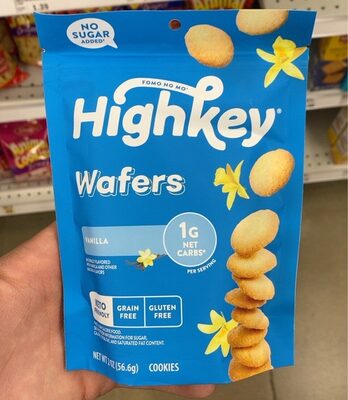
Vanilla Wafers Cookies, Vanilla
High in saturated fat — 20% DV per serving
400kcal
13.3Protein
33.3Fat
46.7Carbs
Summit Naturals, Inc.
Vanilla Wafers Cookies, Vanilla
High in saturated fat — 20% DV per serving
400kcal
13.3Protein
33.3Fat
46.7Carbs