Rhizopus Oligosporus
What is Rhizopus Oligosporus?
Rhizopus oligosporus is a type of fungus, a microorganism. It is used to ferment soybeans, a process that binds the beans together into a dense cake. This fermentation process is how tempeh is made.
Is Rhizopus Oligosporus vegan?
Rhizopus Oligosporus is not animal-derived. Products that contain it can still include other animal-derived ingredients, so check the full ingredient list.
Is Rhizopus Oligosporus a major allergen?
Rhizopus oligosporus itself is not one of the 9 FDA major allergens.
What is Rhizopus Oligosporus used for?
Manufacturers use Rhizopus oligosporus to produce tempeh, a fermented soy product.
Is Rhizopus Oligosporus safe?
Rhizopus oligosporus is generally recognized as safe (GRAS) by the FDA for its use in food production.
Why it's used
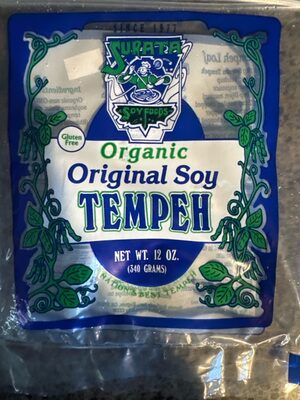
Manufacturers use Rhizopus oligosporus to produce tempeh, a fermented soy product. Tempeh is often used as a meat substitute in vegetarian and vegan dishes. It can be found in products like vegan burgers, sausages, and deli slices.
Health notes
Rhizopus oligosporus is generally recognized as safe (GRAS) by the FDA for its use in food production. It is a key component in making tempeh, which is a source of protein and fiber. International bodies like JECFA have not specifically evaluated Rhizopus oligosporus as a food additive, as its use is primarily as a fermentation culture.
Allergen info
Rhizopus oligosporus itself is not one of the 9 FDA major allergens. However, it is used to ferment soybeans, which are a major allergen.
Foods that contain Rhizopus Oligosporus
Compare products →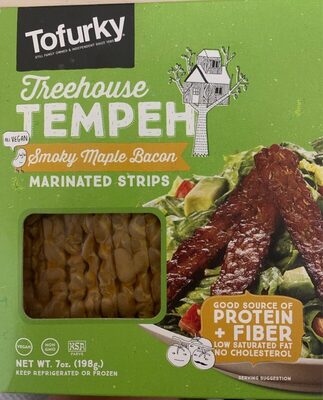
Auto-generated content. This description was generated automatically and is pending editorial review. Inaccuracies are possible. Found a mistake? Contact us.