Shoyu Soy Sauce
Auto-generated content. This description was generated automatically and is pending editorial review. Inaccuracies are possible. Found a mistake? Contact us.
What it is
Shoyu soy sauce is a traditional Japanese condiment made from fermented soybeans, wheat, water, and salt. It is produced through a brewing process that involves koji mold and yeast, which break down the ingredients to create its distinct flavor and aroma. This fermentation process gives it a complex, savory taste.
Why it's used
Manufacturers add shoyu soy sauce primarily for its rich, umami flavor, which can enhance the taste of many foods. It is commonly used in marinades, sauces, soups, and a variety of ready-to-eat meals. You can find it in products like plant-based deli slices, frozen quiches, and other prepared foods.
Health notes
Shoyu soy sauce is generally recognized as safe (GRAS) by the FDA as a food ingredient. A primary health consideration is its sodium content; the FDA Daily Value for sodium is 2,300 mg. As a complex food product, it is not typically evaluated by JECFA or EFSA as a single food additive. There are no major controversies associated with shoyu soy sauce itself, beyond general dietary advice regarding sodium intake.
Allergen info
Shoyu soy sauce contains both soy and wheat, which are two of the nine major food allergens identified by the FDA. Individuals with soy or wheat allergies, or gluten sensitivity, should avoid it.
Products containing Shoyu Soy Sauce
Compare products →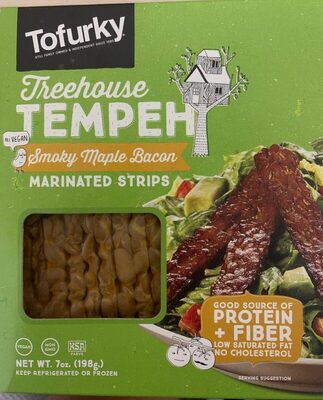 Turtle Island Foods, Inc.
Smoky Maple Bacon
149kcal
13.8Protein
1.1Fat
19.5Carbs
Turtle Island Foods, Inc.
Italian Style Deli Slices
212kcal
21.1Protein
7.7Fat
13.5Carbs
Turtle Island Foods, Inc.
Slow Roasted Chick'N Tandoori
High in sodium — 20% DV per serving
198kcal
25.3Protein
6.6Fat
9.9Carbs
Turtle Island Foods, Inc.
Turk'Y Broccoli & Cheddar
189kcal
5.5Protein
3.9Fat
31.5Carbs
Turtle Island Foods, Inc.
Tempeh, Sesame Garlic
165kcal
12.9Protein
4.1Fat
16.5Carbs
Turtle Island Foods, Inc.
Artisan Sausage Andouille
270kcal
29Protein
12Fat
12Carbs
Turtle Island Foods, Inc.
Artisan Sausage, Spinach Pesto
260kcal
29Protein
12Fat
11Carbs
Turtle Island Foods, Inc.
Artisan Sausage Sweet Meets Savory
260kcal
26Protein
12Fat
13Carbs
Turtle Island Foods, Inc.
Smoky Maple Bacon
149kcal
13.8Protein
1.1Fat
19.5Carbs
Turtle Island Foods, Inc.
Italian Style Deli Slices
212kcal
21.1Protein
7.7Fat
13.5Carbs
Turtle Island Foods, Inc.
Slow Roasted Chick'N Tandoori
High in sodium — 20% DV per serving
198kcal
25.3Protein
6.6Fat
9.9Carbs
Turtle Island Foods, Inc.
Turk'Y Broccoli & Cheddar
189kcal
5.5Protein
3.9Fat
31.5Carbs
Turtle Island Foods, Inc.
Tempeh, Sesame Garlic
165kcal
12.9Protein
4.1Fat
16.5Carbs
Turtle Island Foods, Inc.
Artisan Sausage Andouille
270kcal
29Protein
12Fat
12Carbs
Turtle Island Foods, Inc.
Artisan Sausage, Spinach Pesto
260kcal
29Protein
12Fat
11Carbs
Turtle Island Foods, Inc.
Artisan Sausage Sweet Meets Savory
260kcal
26Protein
12Fat
13Carbs