Riboflavine
Auto-generated content. This description was generated automatically and is pending editorial review. Inaccuracies are possible. Found a mistake? Contact us.
What it is
Riboflavin, also known as vitamin B2, is a water-soluble vitamin that occurs naturally in foods like eggs, meat, dairy, and green vegetables. It is often produced commercially through fermentation using microorganisms or by chemical synthesis. Riboflavin plays a vital role in energy production, cell function, and metabolism.
Why it's used
Riboflavin is added to foods as a nutrient supplement, often to fortify products like cereals, bread, and pasta to help consumers meet their daily vitamin B2 needs. It also functions as a yellow color additive in some foods. It is commonly found in baked goods, pasta products, and crackers.
Health notes
Riboflavin is generally recognized as safe (GRAS) by the FDA when used as a nutrient or color additive. It is an essential nutrient, and deficiency can lead to various health issues, though severe deficiency is rare in the U.S. due to fortified foods. JECFA and EFSA have evaluated riboflavin, and it is considered safe for consumption. Typical dietary intake is unlikely to cause adverse effects.
Allergen info
Riboflavin itself is not one of the nine major allergens and does not contain gluten. However, if it is derived from a source that is a major allergen, that source would need to be declared.
Products containing Riboflavine
Compare products →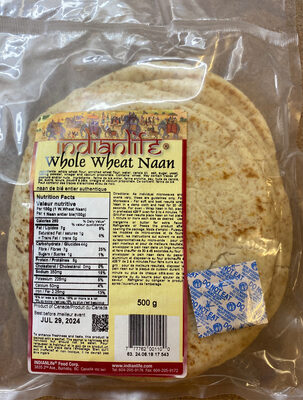 Indianlife Food Corporation
Indianlife, Whole Wheat Naan
260kcal
9Protein
6Fat
45Carbs
Indianlife, Garlic Naan
270kcal
7Protein
6Fat
49Carbs
Indianlife Food Corporation
Indianlife, Whole Wheat Naan
260kcal
9Protein
6Fat
45Carbs
Indianlife, Garlic Naan
270kcal
7Protein
6Fat
49Carbs