Ribose
What is Ribose?
Ribose is a type of sugar, specifically a pentose sugar, meaning it has five carbon atoms. It is a component of RNA (ribonucleic acid) and ATP (adenosine triphosphate), which is the main energy currency of cells. Ribose can be found naturally in all living cells and is also produced commercially through fermentation processes.
Is Ribose vegan?
Ribose is not animal-derived. Products that contain it can still include other animal-derived ingredients, so check the full ingredient list.
Is Ribose gluten-free?
It does not contain gluten.
Is Ribose a major allergen?
Ribose is not derived from any of the nine FDA major allergens.
What is Ribose used for?
Manufacturers may add ribose to foods and beverages as a source of energy or for its sweetening properties, though it is less sweet than sucrose.
Is Ribose safe?
In the U.S., ribose is generally recognized as safe (GRAS) by the FDA for use in food.
Why it's used
Manufacturers may add ribose to foods and beverages as a source of energy or for its sweetening properties, though it is less sweet than sucrose. It is sometimes found in energy drinks, sports supplements, and other fortified foods aimed at boosting energy levels. Its role in cellular energy production is the primary reason for its inclusion in these products.
Health notes
In the U.S., ribose is generally recognized as safe (GRAS) by the FDA for use in food. It is a naturally occurring substance in the body and plays a vital role in energy metabolism. International bodies like JECFA (Joint FAO/WHO Expert Committee on Food Additives) have evaluated ribose, and EFSA (European Food Safety Authority) has also reviewed its safety. Research into its specific health effects at typical dietary intake levels is ongoing, but it is not associated with significant health concerns for most people.
Allergen info
Ribose is not derived from any of the nine FDA major allergens. It does not contain gluten.
Foods that contain Ribose
Compare products →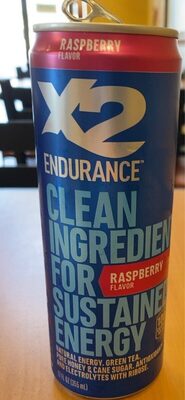
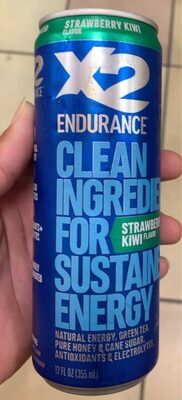
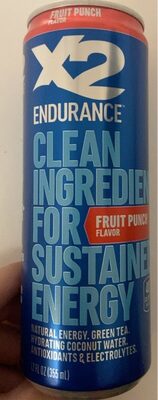
Learn more
Auto-generated content. This description was generated automatically and is pending editorial review. Inaccuracies are possible. Found a mistake? Contact us.