Ricemilk
What is Ricemilk?
Ricemilk is a plant-based beverage made from rice. It is typically produced by soaking rice, then blending it with water and straining the mixture to create a milky liquid. Flavorings and thickeners are often added.
Is Ricemilk vegan?
Ricemilk is not animal-derived. Products that contain it can still include other animal-derived ingredients, so check the full ingredient list.
Is Ricemilk gluten-free?
It is also gluten-free, though cross-contamination can occur during processing.
Is Ricemilk a major allergen?
Ricemilk is not derived from any of the nine FDA major allergens.
What is Ricemilk used for?
Manufacturers use ricemilk as a dairy-free alternative in beverages and foods.
Is Ricemilk safe?
Ricemilk is generally recognized as safe (GRAS) by the FDA for use in food.
Why it's used
Manufacturers use ricemilk as a dairy-free alternative in beverages and foods. It can also act as a base for other products, providing a neutral flavor and creamy texture. It is commonly found in baked goods, desserts, and plant-based milk alternatives.
Health notes
Ricemilk is generally recognized as safe (GRAS) by the FDA for use in food. It is a source of carbohydrates and may be fortified with calcium and vitamin D. The Joint FAO/WHO Expert Committee on Food Additives (JECFA) has evaluated ricemilk and its components. Evidence does not suggest adverse health effects from consuming ricemilk at typical dietary levels.
Allergen info
Ricemilk is not derived from any of the nine FDA major allergens. It is also gluten-free, though cross-contamination can occur during processing.
Foods that contain Ricemilk
Compare products →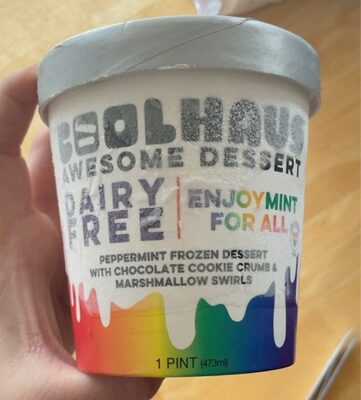
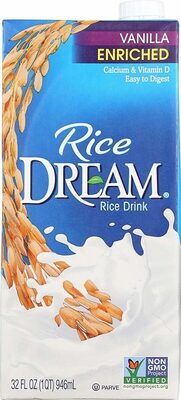
Learn more
Auto-generated content. This description was generated automatically and is pending editorial review. Inaccuracies are possible. Found a mistake? Contact us.