Rices
Auto-generated content. This description was generated automatically and is pending editorial review. Inaccuracies are possible. Found a mistake? Contact us.
What it is
Rice is a grain that is a staple food for more than half of the world's population. It is grown in flooded fields, known as paddies, in many tropical and subtropical regions. After harvesting, the rice grains are milled to remove the husk, bran, and germ, creating different types of rice such as white, brown, and parboiled.
Why it's used
Rice is a versatile grain used in a wide array of foods, from savory dishes like pilafs and stir-fries to sweet desserts like rice pudding. Manufacturers use it as a base ingredient, a thickener, or a source of carbohydrates. It is commonly found in packaged snacks, cereals, baked goods, and as a side dish.
Health notes
Rice is a primary source of carbohydrates and provides some B vitamins and minerals. The FDA considers rice and its components safe for consumption. International bodies like JECFA have evaluated rice and its components. While generally considered safe, concerns sometimes arise regarding arsenic levels in rice, particularly for frequent consumers, though levels vary by region and type of rice.
Allergen info
Rice is not one of the nine major allergens identified by the FDA. It does not contain gluten.
Products containing Rices
Compare products →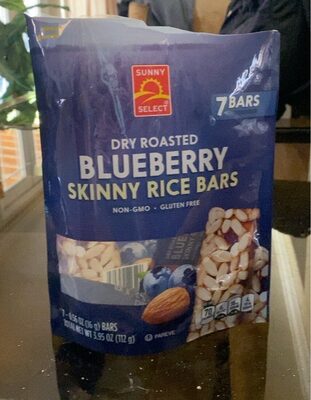 Save Mart Supermarkets Inc.
Dry Roasted Blueberry Skinny Rice Bars, Dry Roasted Blueberry
438kcal
6.2Protein
12.5Fat
68.8Carbs
Save Mart Supermarkets Inc.
Dry Roasted Mango Pineapple Nutty Rice Bites, Dry Roasted Mango Pineapple
429kcal
7.1Protein
12.5Fat
71.4Carbs
Save Mart Supermarkets Inc.
Dry Roasted Blueberry Skinny Rice Bars, Dry Roasted Blueberry
438kcal
6.2Protein
12.5Fat
68.8Carbs
Save Mart Supermarkets Inc.
Dry Roasted Mango Pineapple Nutty Rice Bites, Dry Roasted Mango Pineapple
429kcal
7.1Protein
12.5Fat
71.4Carbs