Rigatoni Pasta
What is Rigatoni Pasta?
Rigatoni is a type of tube-shaped pasta with ridges on the outside. It is made from durum wheat semolina and water, and is typically dried. The name 'rigatoni' comes from the Italian word 'rigato,' meaning 'ridged.'
Is Rigatoni Pasta vegan?
Rigatoni Pasta is not animal-derived. Products that contain it can still include other animal-derived ingredients, so check the full ingredient list.
Is Rigatoni Pasta gluten-free?
It also contains gluten, a protein found in wheat.
Is Rigatoni Pasta a major allergen?
Rigatoni is made from wheat, which is one of the 9 major allergens.
What is Rigatoni Pasta used for?
Rigatoni is a versatile pasta shape that holds sauces well due to its ridges and hollow center.
Is Rigatoni Pasta safe?
Rigatoni is a grain product and a good source of carbohydrates.
Why it's used
Rigatoni is a versatile pasta shape that holds sauces well due to its ridges and hollow center. It is commonly used in baked pasta dishes, with hearty meat or vegetable sauces, and in pasta salads. Manufacturers use it as a base for a wide variety of prepared meals and side dishes.
Health notes
Rigatoni is a grain product and a good source of carbohydrates. Like other refined grain products, it is lower in fiber and some nutrients compared to whole grain pasta. The FDA considers pasta made from enriched semolina flour to be a staple food. JECFA has evaluated pasta ingredients but does not set specific limits for pasta itself.
Allergen info
Rigatoni is made from wheat, which is one of the 9 major allergens. It also contains gluten, a protein found in wheat.
Foods that contain Rigatoni Pasta
Compare products →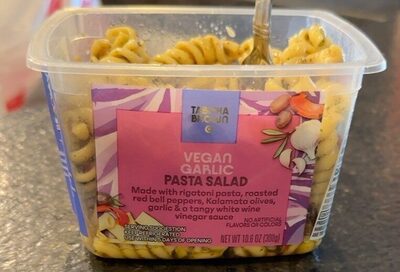 Target Stores
Vegan Garlic Pasta Salad, Vegan Garlic
High in sodium — 20% DV per serving
243kcal
3.6Protein
13.6Fat
27.1Carbs
Pinnacle Foods Group LLC
Italian Style Rigatoni N' Plant-Based Saus'Ge Skillet Meals, Italian Style
High in sodium — 30% DV per serving
97kcal
4.3Protein
3.1Fat
12.8Carbs
Safeway, Inc.
Rigatoni Roasted Eggplant & Sweet Tomato Basil Sauce Tossed With Mozzarella & Parmesan Cheese Bowl, Rigatoni With Roasted Eggplant & Sweet Tomato Basil Sauce
102kcal
3.1Protein
2.8Fat
15.7Carbs
Conagra Brands, Inc
Banquet Rigatoni and Italian Sausage with Meatballs, Frozen Meal, 9 oz.
High in sodium — 32% DV per serving
High in saturated fat — 22% DV per serving
—kcal
5.5Protein
5.1Fat
15.3Carbs
Target Stores
Vegan Garlic Pasta Salad, Vegan Garlic
High in sodium — 20% DV per serving
243kcal
3.6Protein
13.6Fat
27.1Carbs
Pinnacle Foods Group LLC
Italian Style Rigatoni N' Plant-Based Saus'Ge Skillet Meals, Italian Style
High in sodium — 30% DV per serving
97kcal
4.3Protein
3.1Fat
12.8Carbs
Safeway, Inc.
Rigatoni Roasted Eggplant & Sweet Tomato Basil Sauce Tossed With Mozzarella & Parmesan Cheese Bowl, Rigatoni With Roasted Eggplant & Sweet Tomato Basil Sauce
102kcal
3.1Protein
2.8Fat
15.7Carbs
Conagra Brands, Inc
Banquet Rigatoni and Italian Sausage with Meatballs, Frozen Meal, 9 oz.
High in sodium — 32% DV per serving
High in saturated fat — 22% DV per serving
—kcal
5.5Protein
5.1Fat
15.3Carbs
Learn more
Auto-generated content. This description was generated automatically and is pending editorial review. Inaccuracies are possible. Found a mistake? Contact us.