Rising Agents
Auto-generated content. This description was generated automatically and is pending editorial review. Inaccuracies are possible. Found a mistake? Contact us.
What it is
Rising agents are substances that produce gas, causing doughs and batters to expand and become lighter in texture. They are typically chemical compounds like baking soda or baking powder, or biological agents like yeast. Chemical rising agents react when heated or mixed with liquid to release carbon dioxide gas.
Why it's used
Manufacturers add rising agents to baked goods to create a desirable airy and tender crumb. They are essential in products such as cakes, cookies, muffins, bread, and pancakes. Without rising agents, these foods would be dense and heavy.
Health notes
Common chemical rising agents like baking soda (sodium bicarbonate) and baking powder are generally recognized as safe (GRAS) by the FDA when used as intended. These ingredients are consumed in small amounts as part of baked goods. International bodies like JECFA have evaluated many food additives, including some used as rising agents, and established safety guidelines. Evidence does not suggest adverse health effects from typical dietary intake.
Allergen info
Most common rising agents are not derived from the 9 FDA major allergens. Gluten is not present unless the rising agent is formulated with wheat-based ingredients, which is uncommon.
Products containing Rising Agents
Compare products →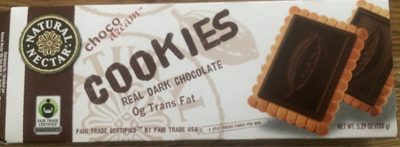 Breton Enterprises Inc
Cookies, Dark Chocolate
480kcal
8Protein
20Fat
72Carbs
Unitrade Marketing Group Inc.
Tonon, Biscuits With Rich Rice Flour Decorated With Cocoa
478kcal
4.3Protein
17.4Fat
69.6Carbs
Tvt's International Export & Import Co.
Petit Biscuit
420kcal
9.2Protein
9.5Fat
72Carbs
Breton Enterprises Inc
Milk Chocolate Cookies, Milk Chocolate
480kcal
8Protein
20Fat
68Carbs
Breton Enterprises Inc
Cookies, Dark Chocolate
480kcal
8Protein
20Fat
72Carbs
Unitrade Marketing Group Inc.
Tonon, Biscuits With Rich Rice Flour Decorated With Cocoa
478kcal
4.3Protein
17.4Fat
69.6Carbs
Tvt's International Export & Import Co.
Petit Biscuit
420kcal
9.2Protein
9.5Fat
72Carbs
Breton Enterprises Inc
Milk Chocolate Cookies, Milk Chocolate
480kcal
8Protein
20Fat
68Carbs