Roasted Barley Malt Extract
What is Roasted Barley Malt Extract?
Roasted barley malt extract is a thick, dark liquid made from sprouted barley grains that have been roasted and then steeped in hot water. The roasting process gives it a distinct malty, slightly bitter flavor and a dark brown color.
Is Roasted Barley Malt Extract vegan?
Roasted Barley Malt Extract is not animal-derived. Products that contain it can still include other animal-derived ingredients, so check the full ingredient list.
Is Roasted Barley Malt Extract gluten-free?
Barley is a grain that contains gluten.
What is Roasted Barley Malt Extract used for?
Manufacturers use it as a natural sweetener, flavor enhancer, and coloring agent in foods.
Is Roasted Barley Malt Extract safe?
In the U.S., roasted barley malt extract is generally recognized as safe (GRAS) by the FDA when used as intended.
Why it's used
Manufacturers use it as a natural sweetener, flavor enhancer, and coloring agent in foods. It imparts a rich, roasted flavor and a deep brown hue, commonly found in baked goods, cereals, beverages like root beer and coffee drinks, and meat products.
Health notes
In the U.S., roasted barley malt extract is generally recognized as safe (GRAS) by the FDA when used as intended. It is a source of carbohydrates and some B vitamins. International bodies like JECFA have evaluated it, but no specific health concerns are widely reported at typical consumption levels.
Allergen info
Barley is a grain that contains gluten. Therefore, roasted barley malt extract is not suitable for individuals with celiac disease or gluten sensitivity.
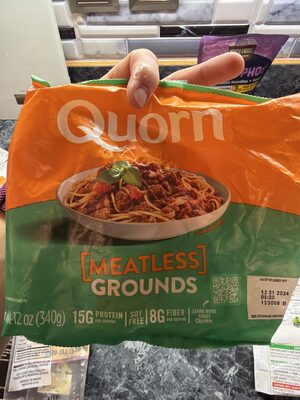
Foods that contain Roasted Barley Malt Extract
Compare products →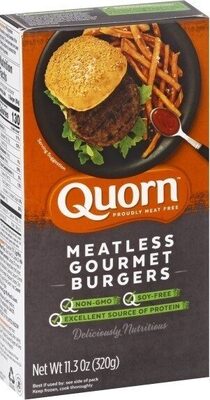
Learn more
Auto-generated content. This description was generated automatically and is pending editorial review. Inaccuracies are possible. Found a mistake? Contact us.