Roasted Flour
What is Roasted Flour?
Roasted flour is made from wheat or other grains that have been heated to a high temperature. This process toasts the flour, giving it a nutty flavor and a darker color. It is often used to add depth and complexity to food.
Is Roasted Flour vegan?
Roasted Flour is not animal-derived. Products that contain it can still include other animal-derived ingredients, so check the full ingredient list.
Is Roasted Flour gluten-free?
If made from wheat, roasted flour is a major allergen and contains gluten.
What is Roasted Flour used for?
Manufacturers use roasted flour primarily as a flavoring agent to impart a toasted, nutty taste and aroma.
Is Roasted Flour safe?
Roasted flour is a common food ingredient and is generally recognized as safe by the FDA when used as intended.
Why it's used
Manufacturers use roasted flour primarily as a flavoring agent to impart a toasted, nutty taste and aroma. It also acts as a thickener in sauces, gravies, and soups, contributing to a richer texture. It is commonly found in seasoning mixes, marinades, and some ethnic food products.
Health notes
Roasted flour is a common food ingredient and is generally recognized as safe by the FDA when used as intended. It is a source of carbohydrates and some nutrients. Regulatory bodies like JECFA and EFSA have not specifically evaluated roasted flour as a distinct additive, as it is a basic food ingredient. No significant health concerns are associated with its typical consumption.
Allergen info
If made from wheat, roasted flour is a major allergen and contains gluten. If made from other grains like corn or rice, it is not a major allergen and is gluten-free.
Foods that contain Roasted Flour
Compare products →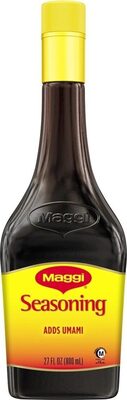
Learn more
Auto-generated content. This description was generated automatically and is pending editorial review. Inaccuracies are possible. Found a mistake? Contact us.