Roasted Sweet Corn
What is Roasted Sweet Corn?
Sweet corn is a variety of maize with a high sugar content, typically harvested when immature. Roasting sweet corn involves cooking whole ears or kernels using dry heat, often in an oven or on a grill, to enhance its natural sweetness and add a smoky flavor.
Is Roasted Sweet Corn vegan?
Roasted Sweet Corn is not animal-derived. Products that contain it can still include other animal-derived ingredients, so check the full ingredient list.
Is Roasted Sweet Corn gluten-free?
It does not contain gluten.
Is Roasted Sweet Corn a major allergen?
Corn is not one of the nine FDA major allergens.
What is Roasted Sweet Corn used for?
Manufacturers use roasted sweet corn as a flavorful ingredient and textural component.
Is Roasted Sweet Corn safe?
Roasted sweet corn is a whole food and is generally recognized as safe (GRAS) by the FDA when used as food.
Why it's used
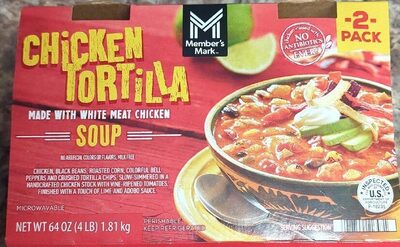
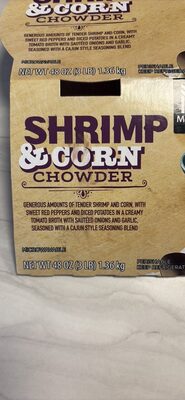
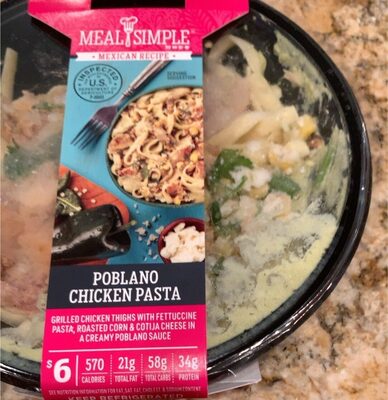
Manufacturers use roasted sweet corn as a flavorful ingredient and textural component. It adds a sweet, savory, and slightly smoky taste to a variety of dishes, commonly found in frozen meals, soups, dips, salsas, and side dishes.
Health notes
Roasted sweet corn is a whole food and is generally recognized as safe (GRAS) by the FDA when used as food. It is a source of dietary fiber, vitamins, and minerals. Regulatory bodies like JECFA have evaluated corn and its derivatives, but specific evaluations for 'roasted sweet corn' as a distinct ingredient are not typically detailed. Evidence does not suggest adverse health effects from typical consumption.
Allergen info
Corn is not one of the nine FDA major allergens. It does not contain gluten.
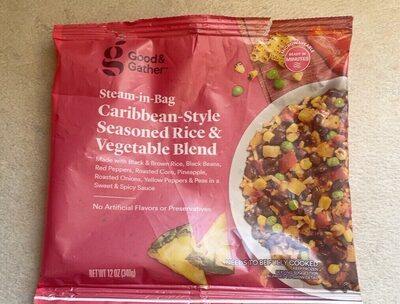
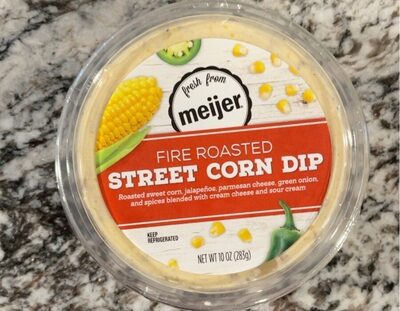
Foods that contain Roasted Sweet Corn
Compare products →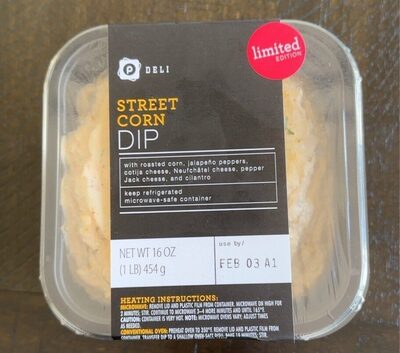
Auto-generated content. This description was generated automatically and is pending editorial review. Inaccuracies are possible. Found a mistake? Contact us.