Rolled
What is Rolled?
Rolled refers to grains that have been processed by flattening them between rollers. This method breaks down the grain's structure, making it quicker to cook and often improving its texture. Common examples include rolled oats, rolled wheat, and rolled barley, which are derived from their respective cereal plants.
Is Rolled vegan?
Rolled is not animal-derived. Products that contain it can still include other animal-derived ingredients, so check the full ingredient list.
Is Rolled gluten-free?
If the rolled ingredient is derived from wheat, it is a major allergen and contains gluten.
Is Rolled a major allergen?
The allergen status of 'rolled' depends on the specific grain used.
What is Rolled used for?
Manufacturers use rolled grains to add texture, fiber, and nutritional value to a variety of food products.
Is Rolled safe?
As a processing method for grains, 'rolled' itself does not have a specific regulatory status from the FDA or health implications distinct from the grain it modifies.
Why it's used
Manufacturers use rolled grains to add texture, fiber, and nutritional value to a variety of food products. They are frequently found in breakfast cereals, granola bars, breads, and other baked goods. The rolling process can also help improve the shelf life of the grains.
Health notes
As a processing method for grains, 'rolled' itself does not have a specific regulatory status from the FDA or health implications distinct from the grain it modifies. Whole grains, whether rolled or not, are generally recognized as healthy foods by the FDA due to their fiber, vitamin, and mineral content. JECFA and EFSA do not evaluate 'rolled' as a standalone ingredient or process.
Allergen info
The allergen status of 'rolled' depends on the specific grain used. If the rolled ingredient is derived from wheat, it is a major allergen and contains gluten. Other rolled grains like oats are not major allergens, but cross-contamination with wheat is possible during processing, which is relevant for gluten-sensitive individuals.
Foods that contain Rolled
Compare products →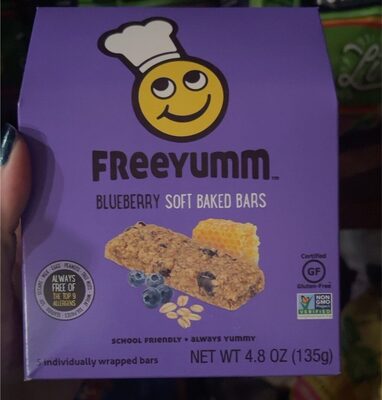
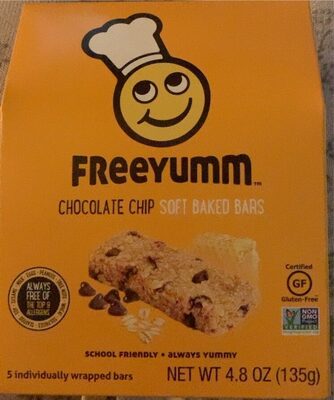
Learn more
Auto-generated content. This description was generated automatically and is pending editorial review. Inaccuracies are possible. Found a mistake? Contact us.