Romano/cheddar Cheese
What is Romano/cheddar Cheese?
Romano and Cheddar cheeses are dairy products made from milk, typically cow's milk, through a process of curdling, pressing, and aging. Romano is a hard, salty cheese with a sharp flavor, while Cheddar can range from mild to very sharp with a firm texture.
Is Romano/cheddar Cheese vegan?
No. Romano/cheddar Cheese is animal-derived, so it is not vegan.
Is Romano/cheddar Cheese a major allergen?
Cheese is derived from milk, which is one of the nine major food allergens identified by the FDA.
What is Romano/cheddar Cheese used for?
Manufacturers add cheese to foods primarily for its distinct flavor and texture.
Is Romano/cheddar Cheese safe?
Cheese is a food ingredient, not a food additive, and is generally recognized as safe (GRAS) for consumption.
Why it's used
Manufacturers add cheese to foods primarily for its distinct flavor and texture. It provides a savory taste and can contribute to a creamy or crumbly mouthfeel. It is commonly used in snacks like chips and pretzels, as well as in sauces, ready meals, and baked goods.
Health notes
Cheese is a food ingredient, not a food additive, and is generally recognized as safe (GRAS) for consumption. As a dairy product, it contains saturated fat and sodium. The Dietary Guidelines for Americans (2025-2030) suggest limiting saturated fat to less than 10% of daily calories, and the FDA Daily Value for sodium is 2,300 mg.
Allergen info
Cheese is derived from milk, which is one of the nine major food allergens identified by the FDA.
Foods that contain Romano/cheddar Cheese
Compare products →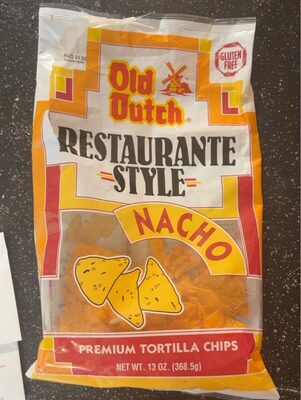 Old Dutch Foods Inc
Restaurant Style Nacho Premium Tortilla Chips, Restaurant Style Nacho
536kcal
7.1Protein
25Fat
64.3Carbs
Old Dutch Foods Inc
Restaurant Style Nacho Premium Tortilla Chips, Restaurant Style Nacho
536kcal
7.1Protein
25Fat
64.3Carbs
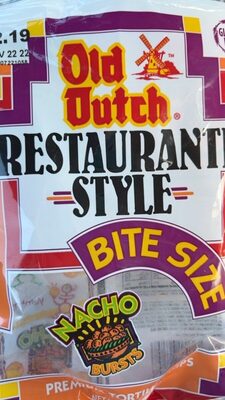 Old Dutch Foods Inc
Nacho Bursts Restaurante Style Premium Tortilla Chips, Nacho Bursts
500kcal
7.1Protein
25Fat
64.3Carbs
Topco Associates, Inc.
Nacho Cheese Flavored Tortilla Chips, Nacho Cheese
536kcal
7.1Protein
25Fat
64.3Carbs
Old Dutch Foods Inc
Nacho Bursts Restaurante Style Premium Tortilla Chips, Nacho Bursts
500kcal
7.1Protein
25Fat
64.3Carbs
Topco Associates, Inc.
Nacho Cheese Flavored Tortilla Chips, Nacho Cheese
536kcal
7.1Protein
25Fat
64.3Carbs
Learn more
Auto-generated content. This description was generated automatically and is pending editorial review. Inaccuracies are possible. Found a mistake? Contact us.