S Thermophilus
What is S Thermophilus?
S. thermophilus is a species of bacteria commonly used in food production. It is a lactic acid bacterium, meaning it produces lactic acid as a byproduct of its metabolism. This bacterium is a key starter culture in the production of yogurt and cheese.
Is S Thermophilus vegan?
S Thermophilus is not animal-derived. Products that contain it can still include other animal-derived ingredients, so check the full ingredient list.
Is S Thermophilus a major allergen?
Not a major allergen.
What is S Thermophilus used for?
S. thermophilus is primarily used as a probiotic and a fermentation agent in dairy products, most notably yogurt.
Is S Thermophilus safe?
S. thermophilus is generally recognized as safe (GRAS) by the FDA for use in food.
Why it's used
S. thermophilus is primarily used as a probiotic and a fermentation agent in dairy products, most notably yogurt. It helps to ferment lactose (milk sugar) into lactic acid, which gives yogurt its characteristic tangy flavor and thick texture. It is often used in combination with other bacterial cultures like Lactobacillus bulgaricus.
Health notes
S. thermophilus is generally recognized as safe (GRAS) by the FDA for use in food. It is considered a beneficial microorganism that can contribute to gut health as part of a balanced diet. International bodies like JECFA have evaluated similar bacterial cultures, and their use in fermented foods is widespread and considered safe.
Allergen info
Not a major allergen. S. thermophilus is a bacterium and not derived from any of the nine major allergens.
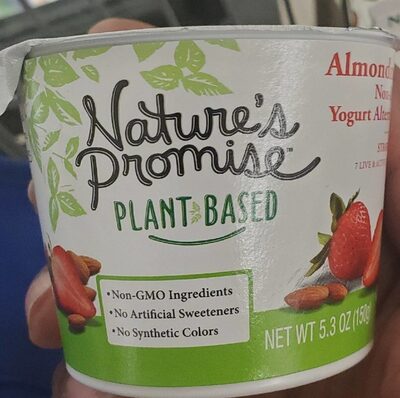
Foods that contain S Thermophilus
Compare products →


Auto-generated content. This description was generated automatically and is pending editorial review. Inaccuracies are possible. Found a mistake? Contact us.