Safflower Oil To Reduce Dusting
What is Safflower Oil To Reduce Dusting?
Safflower oil is a cooking oil pressed from the seeds of the safflower plant. The plant, native to Asia and parts of Africa, is now grown in many regions worldwide. The seeds are typically dried, crushed, and pressed to extract the oil.
Is Safflower Oil To Reduce Dusting vegan?
Safflower Oil To Reduce Dusting is not animal-derived. Products that contain it can still include other animal-derived ingredients, so check the full ingredient list.
Is Safflower Oil To Reduce Dusting gluten-free?
It does not contain gluten.
Is Safflower Oil To Reduce Dusting a major allergen?
Safflower oil is not derived from any of the 9 major FDA allergens.
What is Safflower Oil To Reduce Dusting used for?
Manufacturers use safflower oil as a cooking oil and as an ingredient in salad dressings, baked goods, and snacks.
Is Safflower Oil To Reduce Dusting safe?
Safflower oil is generally recognized as safe (GRAS) by the FDA for use in food.
Why it's used
Manufacturers use safflower oil as a cooking oil and as an ingredient in salad dressings, baked goods, and snacks. It is often added to dry foods like pasta dinners and stuffing mixes to prevent them from sticking together and to reduce dusting, which is the fine powder that can come off processed foods.
Health notes
Safflower oil is generally recognized as safe (GRAS) by the FDA for use in food. It is a source of unsaturated fats, primarily omega-6 fatty acids. JECFA and EFSA have evaluated various oils, including those similar to safflower oil. Evidence on the health effects of specific fatty acid profiles is ongoing, with some research suggesting benefits from unsaturated fats while others highlight concerns about high omega-6 intake relative to omega-3.
Allergen info
Safflower oil is not derived from any of the 9 major FDA allergens. It does not contain gluten.
Foods that contain Safflower Oil To Reduce Dusting
Compare products →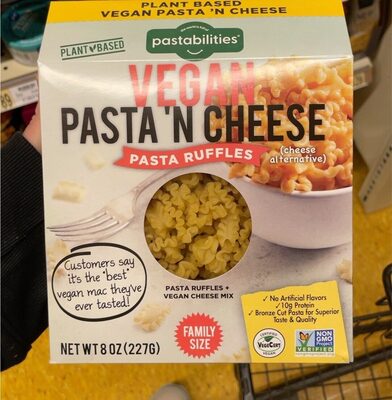
Learn more
Auto-generated content. This description was generated automatically and is pending editorial review. Inaccuracies are possible. Found a mistake? Contact us.