Safflower Oil/canola Oil
What is Safflower Oil/canola Oil?
Safflower oil is a vegetable oil extracted from the seeds of the safflower plant. Canola oil is made from rapeseed, a plant in the mustard family. Both are refined vegetable oils used for cooking and in processed foods.
Is Safflower Oil/canola Oil vegan?
Safflower Oil/canola Oil is not animal-derived. Products that contain it can still include other animal-derived ingredients, so check the full ingredient list.
Is Safflower Oil/canola Oil gluten-free?
They do not contain gluten.
Is Safflower Oil/canola Oil a major allergen?
Neither safflower oil nor canola oil are derived from one of the nine FDA major allergens.
What is Safflower Oil/canola Oil used for?
These oils are used as cooking oils and as ingredients in a wide variety of processed foods.
Is Safflower Oil/canola Oil safe?
Safflower and canola oils are generally recognized as safe (GRAS) by the FDA for use in food.
Why it's used
These oils are used as cooking oils and as ingredients in a wide variety of processed foods. They provide a neutral flavor and smooth texture, and act as carriers for fat-soluble vitamins and flavors.
Health notes
Safflower and canola oils are generally recognized as safe (GRAS) by the FDA for use in food. They are common sources of monounsaturated and polyunsaturated fats, which are considered healthy fats. International bodies like JECFA have evaluated these oils, and they are widely used globally. Evidence suggests that consuming unsaturated fats in place of saturated fats can be beneficial for heart health.
Allergen info
Neither safflower oil nor canola oil are derived from one of the nine FDA major allergens. They do not contain gluten.
Foods that contain Safflower Oil/canola Oil
Compare products →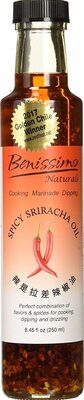 Munster Specialty Products LLC
Spicy Sriracha Oil
800kcal
0Protein
93.3Fat
0Carbs
Munster Specialty Products LLC
Spicy Sriracha Oil
800kcal
0Protein
93.3Fat
0Carbs
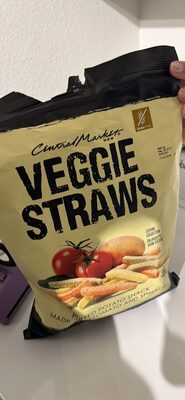 H E Butt Grocery Company
Veggie Straws
500kcal
3.6Protein
25Fat
67.9Carbs
H E Butt Grocery Company
Veggie Straws
500kcal
3.6Protein
25Fat
67.9Carbs
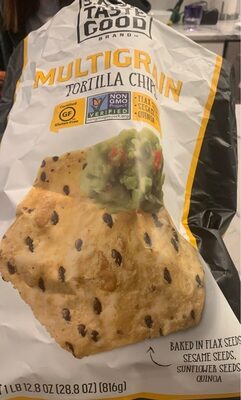 GENERAL MILLS SALES INC.
Food Should Taste Good Multigrain Tortilla Chips
520kcal
8Protein
26Fat
64Carbs
GENERAL MILLS SALES INC.
Food Should Taste Good Multigrain Tortilla Chips
520kcal
8Protein
26Fat
64Carbs
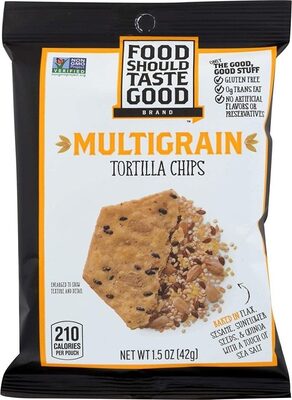 GENERAL MILLS SALES INC.
Food Should Taste Good Multigrain Tortilla Chips
520kcal
8Protein
26Fat
64Carbs
GENERAL MILLS SALES INC.
Food Should Taste Good Multigrain Tortilla Chips
520kcal
8Protein
26Fat
64Carbs
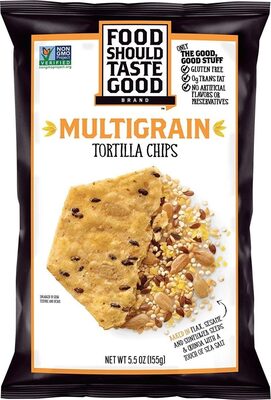 GENERAL MILLS SALES INC.
Food Should Taste Good Multigrain Tortilla Chips
520kcal
8Protein
26Fat
64Carbs
GENERAL MILLS SALES INC.
Food Should Taste Good Multigrain Tortilla Chips
520kcal
8Protein
26Fat
64Carbs
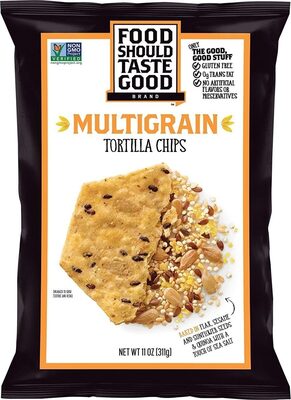 GENERAL MILLS SALES INC.
Food Should Taste Good Multigrain Gluten Free Tortilla Chips
520kcal
8Protein
26Fat
64Carbs
GENERAL MILLS SALES INC.
Food Should Taste Good Multigrain Gluten Free Tortilla Chips
520kcal
8Protein
26Fat
64Carbs
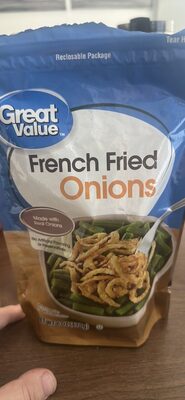 Wal-Mart Stores, Inc.
French Fried Onions, French Fried
571kcal
0Protein
42.9Fat
57.1Carbs
Wal-Mart Stores, Inc.
French Fried Onions, French Fried
571kcal
0Protein
42.9Fat
57.1Carbs
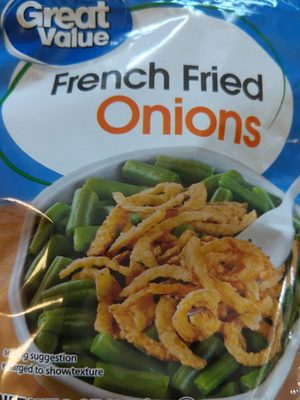 Wal-Mart Stores, Inc.
French Fried Onions, French Fried
571kcal
0Protein
42.9Fat
57.1Carbs
Wal-Mart Stores, Inc.
French Fried Onions, French Fried
571kcal
0Protein
42.9Fat
57.1Carbs
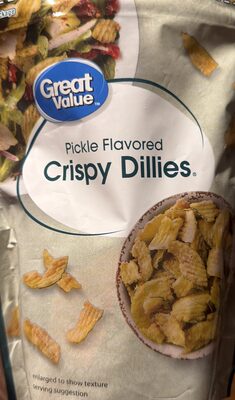 Wal-Mart Stores, Inc.
Pickle Flavored Crispy Dillies, Pickle
571kcal
0Protein
35.7Fat
57.1Carbs
Golden West Trading, Inc.
Green Bear Casserole
High in saturated fat — 20% DV per serving
169kcal
3.1Protein
11.5Fat
13.1Carbs
Iovate Health Sciences International Inc.
Green Coffee
31kcal
4.9Protein
0.8Fat
0.9Carbs
Wal-Mart Stores, Inc.
Pickle Flavored Crispy Dillies, Pickle
571kcal
0Protein
35.7Fat
57.1Carbs
Golden West Trading, Inc.
Green Bear Casserole
High in saturated fat — 20% DV per serving
169kcal
3.1Protein
11.5Fat
13.1Carbs
Iovate Health Sciences International Inc.
Green Coffee
31kcal
4.9Protein
0.8Fat
0.9Carbs
Learn more
Auto-generated content. This description was generated automatically and is pending editorial review. Inaccuracies are possible. Found a mistake? Contact us.