Safflower Or Canola Oil
Auto-generated content. This description was generated automatically and is pending editorial review. Inaccuracies are possible. Found a mistake? Contact us.
What it is
Safflower oil comes from the seeds of the safflower plant, and canola oil comes from the seeds of the canola plant (a variety of rapeseed). Both are vegetable oils that are refined and purified for use in food. They are commonly used as cooking oils and as ingredients in processed foods.
Why it's used
These oils are used in packaged foods to add richness, improve texture, and act as a base for dressings and sauces. They are found in a wide variety of products, including baked goods, snacks, salad dressings, and fried foods.
Health notes
Both safflower and canola oils are considered safe by the FDA and are generally recognized as safe (GRAS). They are sources of unsaturated fats, which are part of a healthy diet. JECFA has evaluated both oils and established specifications for their quality and purity. Evidence suggests that unsaturated fats, when consumed in place of saturated fats, can help reduce the risk of heart disease.
Allergen info
Neither safflower oil nor canola oil are derived from the nine major allergens recognized by the FDA. They do not contain gluten.
Products containing Safflower Or Canola Oil
Compare products →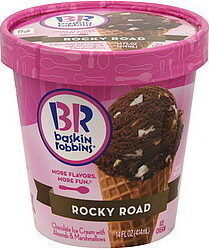 Boardwalk Frozen Treats, LLC
Chocolate Ice Cream With Marshmallows & Almonds, Rocky Road
High in saturated fat — 30% DV per serving
250kcal
4.5Protein
13.6Fat
31.8Carbs
Brookshire Grocery Company
Brookshire's, Tortilla Chips, Ranch, Ranch
500kcal
7.1Protein
21.4Fat
67.9Carbs
Save Mart Supermarkets Inc.
Tortilla Chips, Nacho
500kcal
7.1Protein
25Fat
64.3Carbs
Giant Eagle, Inc.
Tortilla Chips, Lime
500kcal
7.1Protein
21.4Fat
67.9Carbs
Brookshire Grocery Company
Tortilla Chips, Lime
500kcal
7.1Protein
25Fat
64.3Carbs
Raley's
Rayley's, Tortilla Chips, Nacho Cheese, Nacho Cheese
500kcal
7.1Protein
21.4Fat
64.3Carbs
Sears, Roebuck and Co.
Tortilla Chips, Nacho
500kcal
7.1Protein
25Fat
64.3Carbs
Giant Eagle, Inc.
White Rounds Tortilla Chips
500kcal
7.1Protein
21.4Fat
67.9Carbs
Boardwalk Frozen Treats, LLC
Chocolate Ice Cream With Marshmallows & Almonds, Rocky Road
High in saturated fat — 30% DV per serving
250kcal
4.5Protein
13.6Fat
31.8Carbs
Brookshire Grocery Company
Brookshire's, Tortilla Chips, Ranch, Ranch
500kcal
7.1Protein
21.4Fat
67.9Carbs
Save Mart Supermarkets Inc.
Tortilla Chips, Nacho
500kcal
7.1Protein
25Fat
64.3Carbs
Giant Eagle, Inc.
Tortilla Chips, Lime
500kcal
7.1Protein
21.4Fat
67.9Carbs
Brookshire Grocery Company
Tortilla Chips, Lime
500kcal
7.1Protein
25Fat
64.3Carbs
Raley's
Rayley's, Tortilla Chips, Nacho Cheese, Nacho Cheese
500kcal
7.1Protein
21.4Fat
64.3Carbs
Sears, Roebuck and Co.
Tortilla Chips, Nacho
500kcal
7.1Protein
25Fat
64.3Carbs
Giant Eagle, Inc.
White Rounds Tortilla Chips
500kcal
7.1Protein
21.4Fat
67.9Carbs