Safflower Sunflower Oils
What is Safflower Sunflower Oils?
Safflower oil and sunflower oil are vegetable oils extracted from the seeds of the safflower plant (Carthamus tinctorius) and the sunflower plant (Helianthus annuus), respectively. These oils are obtained by pressing the seeds and then often refined to remove impurities and improve shelf life.
Is Safflower Sunflower Oils vegan?
Safflower Sunflower Oils is not animal-derived. Products that contain it can still include other animal-derived ingredients, so check the full ingredient list.
Is Safflower Sunflower Oils a major allergen?
Not a major allergen.
What is Safflower Sunflower Oils used for?
These oils are widely used in food manufacturing for cooking, frying, and as ingredients in products like salad dressings, margarines, and baked goods.
Is Safflower Sunflower Oils safe?
Safflower and sunflower oils are generally recognized as safe (GRAS) by the U.S. Food and Drug Administration (FDA) for their intended uses.
Why it's used
These oils are widely used in food manufacturing for cooking, frying, and as ingredients in products like salad dressings, margarines, and baked goods. They serve as a source of fat, contribute to texture, and can carry flavors in food.
Health notes
Safflower and sunflower oils are generally recognized as safe (GRAS) by the U.S. Food and Drug Administration (FDA) for their intended uses. They are primarily composed of unsaturated fats, including monounsaturated and polyunsaturated fatty acids. As with all fats, they are calorie-dense, and moderation is key for a balanced diet. JECFA and EFSA have not set specific ADIs for these common food oils, as they are considered staple food ingredients rather than food additives.
Allergen info
Not a major allergen.
Foods that contain Safflower Sunflower Oils
Compare products →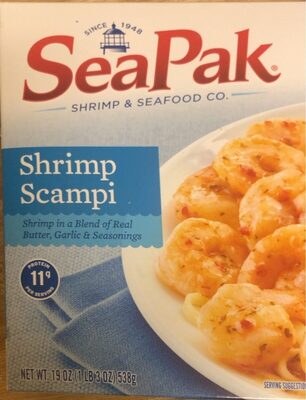 Rich Products Corporation
Shrimp Scampi, Shrimp
High in sodium — 30% DV per serving
High in saturated fat — 80% DV per serving
286kcal
7.9Protein
27.1Fat
2.9Carbs
Rich Products Corporation
Shrimp Scampi, Shrimp
High in sodium — 30% DV per serving
High in saturated fat — 80% DV per serving
286kcal
7.9Protein
27.1Fat
2.9Carbs
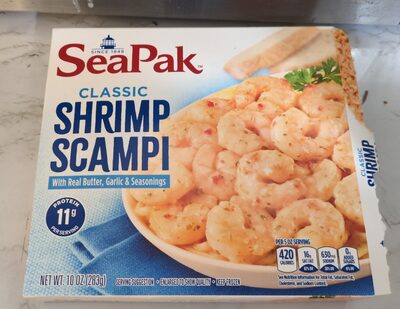 Rich Products Corporation
Seapak Shrimp Scampi, 10 Oz
High in sodium — 27% DV per serving
High in saturated fat — 80% DV per serving
High in cholesterol — 50% DV per serving
300kcal
7.1Protein
28.6Fat
2.1Carbs
FREMONT FISH MARKET
Shrimp Scampi In A Blend Of Real Butter, Garlic & Seasoning, Shrimp Scampi
High in sodium — 23% DV per serving
High in saturated fat — 60% DV per serving
High in cholesterol — 37% DV per serving
283kcal
8.0Protein
27.4Fat
2.6Carbs
Rich Products Corporation
Seapak Shrimp Scampi, 10 Oz
High in sodium — 27% DV per serving
High in saturated fat — 80% DV per serving
High in cholesterol — 50% DV per serving
300kcal
7.1Protein
28.6Fat
2.1Carbs
FREMONT FISH MARKET
Shrimp Scampi In A Blend Of Real Butter, Garlic & Seasoning, Shrimp Scampi
High in sodium — 23% DV per serving
High in saturated fat — 60% DV per serving
High in cholesterol — 37% DV per serving
283kcal
8.0Protein
27.4Fat
2.6Carbs
Learn more
Auto-generated content. This description was generated automatically and is pending editorial review. Inaccuracies are possible. Found a mistake? Contact us.