Sal Oil
What is Sal Oil?
Sal oil is a type of vegetable oil derived from the seeds of the Sal tree (Shorea robusta), which is native to the Indian subcontinent. The seeds are processed to extract the oil, which is a solid or semi-solid fat at room temperature.
Is Sal Oil vegan?
Sal Oil is not animal-derived. Products that contain it can still include other animal-derived ingredients, so check the full ingredient list.
Is Sal Oil gluten-free?
It is a plant-based oil and does not contain gluten.
Is Sal Oil a major allergen?
Sal oil is not derived from any of the nine major allergens recognized by the FDA.
What is Sal Oil used for?
Sal oil is primarily used as a cocoa butter substitute or extender in the confectionery industry, particularly in chocolate and compound coatings.
Is Sal Oil safe?
In the United States, sal oil is generally recognized as safe (GRAS) by the FDA when used as a food ingredient.
Why it's used
Sal oil is primarily used as a cocoa butter substitute or extender in the confectionery industry, particularly in chocolate and compound coatings. Its similar melting profile to cocoa butter allows it to be used in products like biscuits and chocolate bars to improve texture and stability.
Health notes
In the United States, sal oil is generally recognized as safe (GRAS) by the FDA when used as a food ingredient. It is a source of healthy fats, including oleic and stearic acids. International bodies like JECFA have evaluated similar fats, but specific evaluations for sal oil may vary. Evidence does not suggest adverse health effects at typical consumption levels.
Allergen info
Sal oil is not derived from any of the nine major allergens recognized by the FDA. It is a plant-based oil and does not contain gluten.
Foods that contain Sal Oil
Compare products →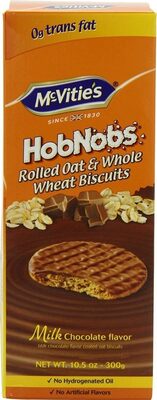



Learn more
Auto-generated content. This description was generated automatically and is pending editorial review. Inaccuracies are possible. Found a mistake? Contact us.