Salmo Salar Color Added Through Feed
What is Salmo Salar Color Added Through Feed?
Salmo Salar is the scientific name for Atlantic salmon. When color is added through feed, it means that pigments, often derived from natural sources like marigold or paprika, are given to the fish as part of their diet. These pigments are then absorbed and deposited in the flesh, influencing its color.
Is Salmo Salar Color Added Through Feed a major allergen?
Salmon is one of the nine major allergens identified by the FDA.
What is Salmo Salar Color Added Through Feed used for?
This process is used to enhance the visual appeal of farmed salmon, giving it a more desirable pink or orange hue that consumers often associate with freshness and quality.
Is Salmo Salar Color Added Through Feed safe?
The pigments used in salmon feed are generally recognized as safe (GRAS) by the FDA when used as intended.
Why it's used
This process is used to enhance the visual appeal of farmed salmon, giving it a more desirable pink or orange hue that consumers often associate with freshness and quality. It is primarily found in farmed Atlantic salmon products.
Health notes
The pigments used in salmon feed are generally recognized as safe (GRAS) by the FDA when used as intended. Regulatory bodies like the European Food Safety Authority (EFSA) have also evaluated such colorants. The amounts consumed through salmon are typically within levels considered safe and do not pose a health risk.
Allergen info
Salmon is one of the nine major allergens identified by the FDA. Therefore, Salmo Salar Color Added Through Feed is considered a major allergen.
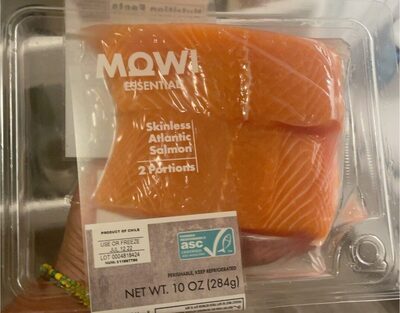
Foods that contain Salmo Salar Color Added Through Feed
Compare products →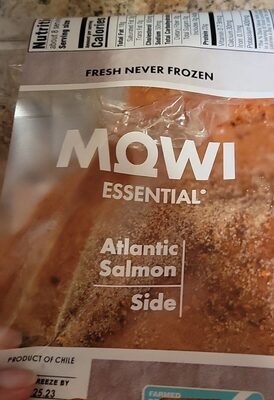
Learn more
Auto-generated content. This description was generated automatically and is pending editorial review. Inaccuracies are possible. Found a mistake? Contact us.