Salt Cellulose
What is Salt Cellulose?
Salt cellulose is a modified form of cellulose, a fiber found in the cell walls of plants. It is produced by treating cellulose with a mixture of salt and acid, which breaks down the long cellulose chains into shorter, more soluble ones. This process makes it easier to use in food products.
Is Salt Cellulose vegan?
Salt Cellulose is not animal-derived. Products that contain it can still include other animal-derived ingredients, so check the full ingredient list.
Is Salt Cellulose gluten-free?
It is derived from plant sources and does not contain gluten.
Is Salt Cellulose a major allergen?
Not a major allergen.
What is Salt Cellulose used for?
Manufacturers add salt cellulose as a thickener and stabilizer in foods.
Is Salt Cellulose safe?
Salt cellulose is generally recognized as safe (GRAS) by the FDA for use in food.
Why it's used
Manufacturers add salt cellulose as a thickener and stabilizer in foods. It helps improve texture and prevent ingredients from separating. You can find it in baked goods like cake mixes, as well as in some prepared meals and sauces.
Health notes
Salt cellulose is generally recognized as safe (GRAS) by the FDA for use in food. It is a type of dietary fiber, which can contribute to digestive health. International bodies like JECFA have also evaluated cellulose and its derivatives. No significant health concerns are associated with its consumption at typical levels found in food.
Allergen info
Not a major allergen. It is derived from plant sources and does not contain gluten.
Foods that contain Salt Cellulose
Compare products →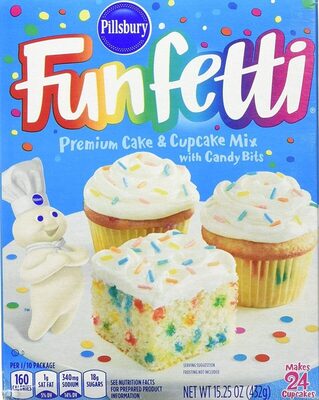
Learn more
Auto-generated content. This description was generated automatically and is pending editorial review. Inaccuracies are possible. Found a mistake? Contact us.