Salt Cheese Cultures
Auto-generated content. This description was generated automatically and is pending editorial review. Inaccuracies are possible. Found a mistake? Contact us.
What it is
Salt is a mineral compound, primarily sodium chloride, commonly found in nature. Cheese cultures are specific strains of beneficial microorganisms, such as bacteria, molds, or yeasts, which are grown in controlled environments for use in cheesemaking.
Why it's used
In cheese production, salt is added to enhance flavor, preserve the product, and control moisture content. Cheese cultures are essential for fermenting milk sugars, which develops the characteristic flavors, aromas, and textures unique to different types of cheese.
Health notes
Salt is Generally Recognized As Safe (GRAS) by the FDA. While it is an essential nutrient, high sodium intake is associated with increased blood pressure; the FDA Daily Value for sodium is 2,300 mg. Cheese cultures, consisting of beneficial microorganisms, are also considered GRAS by the FDA and are generally recognized as safe for consumption. JECFA has evaluated salt.
Allergen info
Neither salt nor cheese cultures are derived from any of the nine major FDA allergens.
Products containing Salt Cheese Cultures
Compare products →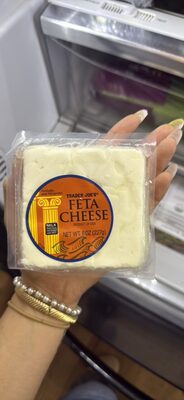 Karlin Foods Corporation
Feta Cheese
250kcal
17.9Protein
17.9Fat
3.6Carbs
Sophia Foods Inc.
Italian Pasta With Truffle And Cheese Sauce, Truffle
High in sodium — 33% DV per serving
378kcal
13.5Protein
8.1Fat
60.8Carbs
Lee-Thompson-Fawcett Company
Bell-View, Pepper N Cheddar Cheese Dip
88kcal
2.9Protein
2.9Fat
11.8Carbs
Karlin Foods Corporation
Feta Cheese
250kcal
17.9Protein
17.9Fat
3.6Carbs
Sophia Foods Inc.
Italian Pasta With Truffle And Cheese Sauce, Truffle
High in sodium — 33% DV per serving
378kcal
13.5Protein
8.1Fat
60.8Carbs
Lee-Thompson-Fawcett Company
Bell-View, Pepper N Cheddar Cheese Dip
88kcal
2.9Protein
2.9Fat
11.8Carbs
 Sophia Foods Inc.
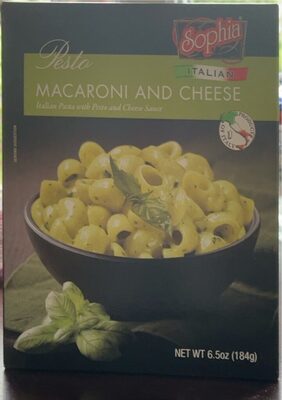
Italian Pasta With Pesto And Cheese Sauce
High in sodium — 33% DV per serving
378kcal
13.5Protein
8.1Fat
62.2Carbs
Associated Wholesale Grocers, Inc.
Organic Savory Cheese Risotto
362kcal
7.5Protein
0Fat
75Carbs
The Nutmeg Spice Co. Ltd.
Tacoma Boys, Salad Sensation
364kcal
27Protein
17Fat
8Carbs
Sophia Foods Inc.
Italian Pasta With Pesto And Cheese Sauce
High in sodium — 33% DV per serving
378kcal
13.5Protein
8.1Fat
62.2Carbs
Associated Wholesale Grocers, Inc.
Organic Savory Cheese Risotto
362kcal
7.5Protein
0Fat
75Carbs
The Nutmeg Spice Co. Ltd.
Tacoma Boys, Salad Sensation
364kcal
27Protein
17Fat
8Carbs
 Uncle Ben's Inc.
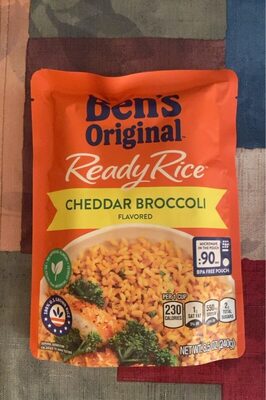
Ben's Original Ready Rice, Cheddar & Broccoli, 8.5 Oz. Pouch, Cheddar; Broccoli
High in sodium — 24% DV per serving
144kcal
3.1Protein
2.8Fat
25.6Carbs
Uncle Ben's Inc.
Ben's Original Ready Rice, Cheddar & Broccoli, 8.5 Oz. Pouch, Cheddar; Broccoli
High in sodium — 24% DV per serving
144kcal
3.1Protein
2.8Fat
25.6Carbs