Salt Lecithin
What is Salt Lecithin?
Salt lecithin is a form of lecithin that has been treated with salt. Lecithin is a type of fat found naturally in all living cells, including those of plants and animals. It is commonly derived from soybeans or egg yolks and processed to isolate this important compound.
Is Salt Lecithin gluten-free?
It does not contain gluten.
Is Salt Lecithin a major allergen?
Lecithin can be derived from soy, which is one of the 9 FDA major allergens.
What is Salt Lecithin used for?
Manufacturers add salt lecithin primarily as an emulsifier, helping to blend ingredients that normally don't mix, like oil and water.
Is Salt Lecithin safe?
Salt lecithin is generally recognized as safe (GRAS) by the FDA for use in food.
Why it's used
Manufacturers add salt lecithin primarily as an emulsifier, helping to blend ingredients that normally don't mix, like oil and water. This improves texture and stability in products such as baked goods, confectionery, and dairy items. It can also act as a stabilizer and a wetting agent.
Health notes
Salt lecithin is generally recognized as safe (GRAS) by the FDA for use in food. It is a source of choline, an essential nutrient important for brain health and cell function. Regulatory bodies like JECFA and EFSA have evaluated lecithin and found it to be safe for consumption. There are no widespread controversies regarding its use at typical dietary levels.
Allergen info
Lecithin can be derived from soy, which is one of the 9 FDA major allergens. If derived from soy, it must be declared. If derived from other sources like sunflower or egg, it is not considered a major allergen. It does not contain gluten.
Foods that contain Salt Lecithin
Compare products →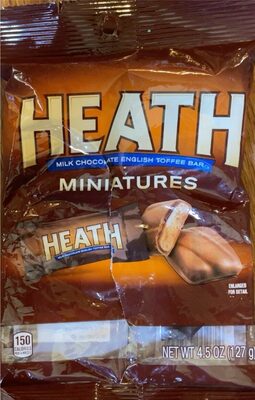
Learn more
Auto-generated content. This description was generated automatically and is pending editorial review. Inaccuracies are possible. Found a mistake? Contact us.